


In an era where digital ecosystems evolve daily, staying ahead of technical breakthroughs is essential for developers, tech enthusiasts, and enterprise leaders alike. Broad tech headlines often emphasize speculative hype over practical execution. The concept of world tech news togtechify emerged to bridge this exact gap: cutting through global technology noise to focus on actionable insights, real-world utility, and sustainable digital transformation. Modern organizations looking to scale rely heavily on verified Tech Solutions for Business to ensure long-term stability and ROI.
This comprehensive analysis explores the primary forces transforming the global technology landscape, filling the critical coverage gaps often left unaddressed by surface-level tech reporting.
1. The Real-World Evolution of Multi-Modal & Vertical AI
While surface-level tech news often focuses on basic conversational AI and chatbots, world tech news togtechify highlights a much deeper transformation: the transition from general-purpose large language models (LLMs) to specialized, multi-modal, and vertical AI architectures. Insights shared by Editor Benjamin Tech Guru Keezy.co frequently emphasize how these architectural shifts redefine productivity across modern technical sectors.
Beyond Chatbots: Multi-Modal Capabilities
Modern AI systems no longer rely strictly on text input. Next-generation multi-modal engines process visual data, audio frequencies, sensor streams, and code syntax simultaneously.
- Computer Vision Integration: Automated quality inspection in smart manufacturing detects micro-defects invisible to the human eye.
- Contextual Voice Intelligence: Natural language processing (NLP) models understand vocal inflection, technical jargon, and multi-lingual context in real time.

The Rise of Specialized Vertical Models
A generic chatbot cannot match an AI model trained exclusively on legal precedents, radiological scans, or proprietary financial records. Enterprise adoption is shifting rapidly toward domain-specific models that offer:
- Higher Accuracy Rates: Substantially lower hallucination rates due to strict training parameters.
- Regulatory Alignment: Built-in compliance mechanisms tailored to industry standards.
2. Hardware Architecture, Circular Economy, and Sustainable Tech
Most conventional tech news outlets focus exclusively on flagship product launches and screen refresh rates. However, a crucial dimension of modern consumer hardware is the balance between raw computing performance, energy efficiency, and sustainable engineering. Tech leaders often reference Beaconsoft Tips for Tech to optimize system upgrades without overspending on redundant hardware.
Hardware Interoperability & Open Ecosystems
Proprietary “walled gardens” are giving way to open standards and cross-platform communication. Modern smart hardware relies on interoperable frameworks that allow devices from competing manufacturers to function cohesively across unified home and enterprise networks.
The Right to Repair and Sustainable Electronics
With consumer demand for repairable devices rising significantly, legislative shifts across North America and Europe are reshaping hardware manufacturing. Leading technology firms are adopting modular design practices:
| Hardware Focus Area | Traditional Approach | Modern Sustainable Paradigm |
|---|---|---|
| Component Replacement | Soldered/Glued components requiring full unit swaps | Modular battery, screen, and port assemblies |
| Supply Chain Lifecycle | Linear (Extract, Build, Discard) | Circular economy with closed-loop recycled metals |
| Device Lifespan | Planned obsolescence (2-3 years) | Long-term firmware updates (7+ years support) |
3. Quantum-Resistant Cybersecurity & Zero Trust Frameworks
As corporate digital footprints expand, security methodologies must evolve to defend against sophisticated automated threats. According to recent technical analyses by Wavetechglobal.com Latest Tech Gurus, cyber defence strategies are moving away from traditional perimeter security toward comprehensive Zero Trust Architecture.

Key Security Safeguards
- Zero Trust Architecture (ZTA): Every user and device must be continuously authenticated before gaining access to internal resources.
- Micro-Segmentation: Networks are divided into isolated zones to prevent lateral movement during a security breach.
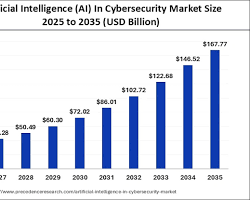
- Post-Quantum Cryptography (PQC): Testing advanced encryption standards to shield proprietary data against future quantum decryption threats.
- Automated Threat Prevention: Leveraging machine learning security tools to predict and mitigate attack vectors before human teams can react.
4. Edge Computing, IoT Interoperability, and Low-Code Workflows
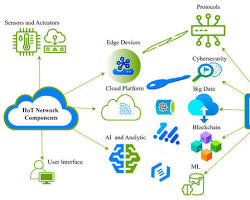
Centralized cloud platforms encounter performance limits when processing massive streams of real-time data. To overcome bandwidth constraints and latency delays, computing power is shifting directly to the edge. Staying current with The Latest in Tech AlienSync allows engineers to track how latency constraints are being solved at the network edge.
Edge Computing in Action
By analyzing data directly on local micro-data centers, edge hardware enables split-second processing for mission-critical applications:
- Autonomous Mobility: Self-driving vehicles evaluate sensor data locally to make sub-millisecond collision avoidance decisions.
- Industrial Automation: Predictive maintenance sensors analyze machinery vibration patterns on-site, detecting potential gear failures before operational disruption occurs.
modern technology artificial intelligence cybersecurity edge computing tech growth
The Enterprise Low-Code Revolution
Low-code and no-code development platforms have evolved beyond basic app builders. Operations managers, financial analysts, and logistics specialists now build automated workflows and custom enterprise tools without relying entirely on dedicated software engineering teams. This shift accelerates digital transformation while allowing core IT departments to maintain strict governance standards.
Strategic Roadmap for Implementing Modern Tech Trends
To turn emerging technology concepts into measurable operational growth, organizations and developers can follow this structured execution roadmap:
- Conduct an Infrastructure & Technical Audit: Map current technical bottlenecks, legacy software constraints, and manual workflow dependencies.
- Prioritize Modular Integration: Select software platforms and hardware ecosystems that support open APIs and cross-brand interoperability.
- Implement Multi-Layered Security: Transition network security to a Zero Trust architecture while enforcing mandatory multi-factor authentication (MFA) across all endpoints.
- Deploy Domain-Specific AI Workflows: Integrate targeted AI tools into existing business processes rather than relying on uncalibrated general-purpose models.
- Establish Continuous Monitoring: Evaluate system performance, data privacy compliance, and hardware lifecycles systematically.
Understanding world tech news togtechify means moving beyond the noise of daily product announcements to master the underlying architectural shifts reshaping our digital future. From domain-specific artificial intelligence and modular hardware design to quantum-resistant cybersecurity and edge computing networks, the focus remains clear: building resilient, scalable, and practical technology ecosystems.
Conclusion
Building a future-ready enterprise requires a balanced approach to selecting software, securing data, and supporting workforce adoption. By replacing fragmented tools with integrated cloud frameworks, automated workflows, and robust security models, organizations lay the foundation for long-term operational success. Tracking world tech news togtechify allows decision-makers to focus on sustainable innovation that delivers real performance metrics.
Unlike surface-level tech news that focuses primarily on promotional gadget launches, world tech news togtechify emphasizes deep architectural trends, real-world execution, sustainable hardware, and practical enterprise workflows.
Vertical AI models are fine-tuned on specialized domain data (such as legal contracts, medical imaging, or engineering designs). This targeted approach yields significantly higher accuracy, lowers error rates, and ensures compliance with industry-specific regulations.
Zero Trust Architecture operates on the principle of “never trust, always verify”. It removes implicit trust from internal networks, enforcing continuous identity authentication and micro-segmenting access to protect sensitive assets from unauthorized breaches.
Modular and repairable hardware extends device lifespans, reduces electronic waste, lowers long-term operational costs for organizations, and aligns with global right-to-repair legal standards.
Edge computing processes time-sensitive data locally at the device level to minimize latency, while cloud infrastructure handles large-scale data storage, complex analytical modeling, and central system coordination.
Source: Tricks Mode
