


In a rapidly changing digital landscape defined by artificial intelligence acceleration, cloud-native architectures, and evolving cybersecurity threats, staying ahead requires actionable guidance from proven industry experts. Looking up wavetechglobal.com latest tech gurus reveals a vital nexus for technical leaders, software engineers, and IT decision-makers seeking to optimize their digital infrastructure, streamline hardware performance, and adopt forward-thinking technology frameworks.
This comprehensive guide breaks down the core technical paradigms advocated by top industry experts, bridging the gap between high-level IT strategy and practical, daily digital optimization.
1. Deconstructing the Modern Tech Ecosystem & Expert Strategy
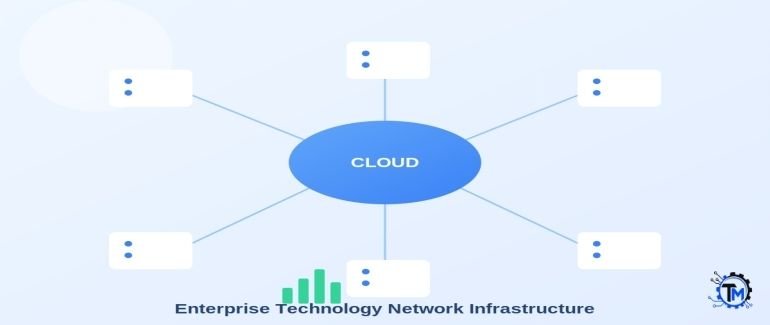
Modern enterprise technology network and software infrastructure architecture
Navigating modern IT environments requires a balanced approach to innovation and stability. Insights surrounding wavetechglobal.com latest tech gurus emphasize three non-negotiable structural pillars for digital maturity:
- System Resource & Hardware Optimization: Ensuring compute threads, memory allocation, and storage throughput operate with minimal latency and maximum speed.
- Zero-Trust Cybersecurity Posture: Shifting beyond basic antivirus software to implement granular credential management, hardware-level encryption, and continuous monitoring.
- Sustainable & Scalable Software Hygiene: Eliminating code bloat, refactoring legacy software dependencies, and optimizing multi-cloud infrastructure to control operating expenses.
Applying these core engineering principles transforms technology from a costly operational overhead into a resilient, high-yield business asset.
2. Advanced Hardware, Device, & Infrastructure Performance Optimization
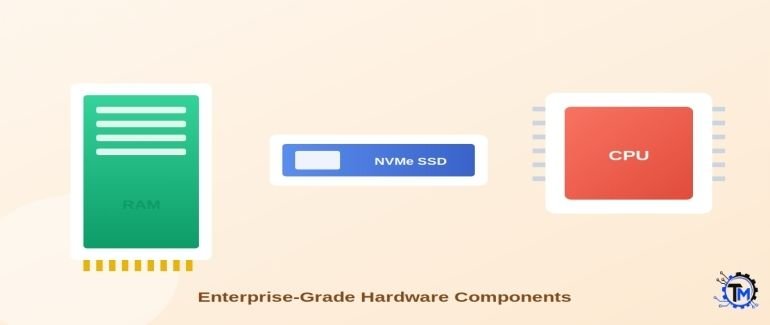
Hardware processing unit and NVMe storage drive for system optimization
System latency, memory leaks, and storage bottlenecks remain major obstacles for both personal workstations and enterprise server clusters. Following expert hardware optimization routines prevents performance degradation over time. Integrating strategic Gadgets Investing principles ensures that every device hardware upgrade provides maximum productivity ROI.
A. Intelligent Storage Management & Cache Clearance
Storage arrays demand proactive maintenance to sustain peak read/write speeds:
- Purging System Caches & Unused Binaries: Residual installation packages, temporary application logs, and system cache files consume high-speed storage blocks. Periodic directory auditing prevents drive fragmentation.
- Cold Data Offloading & Tiered Storage: Moving non-essential archives to cold cloud tiers or local Network-Attached Storage (NAS) maintains local drive capacity above 20%, ensuring pagefiles index smoothly.
- Automated File Deduplication: Utilizing automated file-indexing utilities scans system directories to purge duplicate files, freeing up essential storage bandwidth.
B. Background Thread Management & RAM Optimization
Unmonitored background tasks drain CPU cycles and lower battery efficiency:
- Auditing Telemetry & Startup Daemons: Disable non-essential startup daemons and telemetry services via native tools like Task Manager on Windows or Activity Monitor on macOS.
- Application Memory & Process Isolation: Web browsers and multi-threaded desktop software consume significant RAM. Enforcing memory-saver modes and implementing essential Beaconsoft Tips for Tech management keeps active processes responsive.
3. Modern Cybersecurity Standards & Privacy Hardening
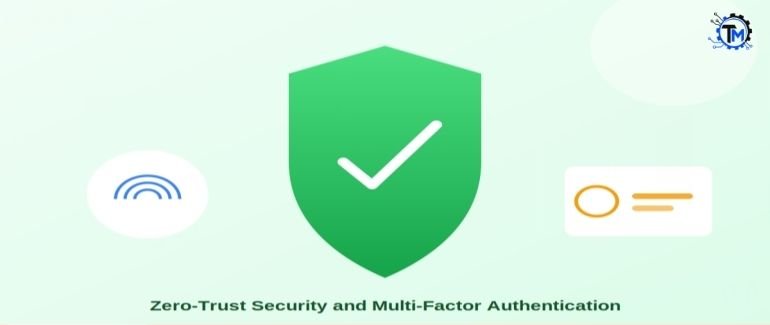
Zero trust cyber security shield and passkey multi-factor authentication interface
As automated phishing vectors, credential harvesting, and ransomware attacks grow more sophisticated, basic password protection is no longer sufficient. Enterprise cybersecurity requires layered defense-in-depth strategies.
A. Zero-Trust Identity & Password Management
Credential protection serves as your primary line of defense against unauthorized system access:
- Zero-Knowledge Password Vaults: Eliminate shared plain-text credential spreadsheets by deploying enterprise password managers (such as Bitwarden or Psono) secured by complex master passphrases.
- Hardware-Based Multi-Factor Authentication (MFA): Upgrade from vulnerable SMS-based two-factor authentication to TOTP authenticator apps or physical FIDO2 hardware passkeys.
B. Network Hardening & Privacy Protocols
- Securing Router & Gateway Architectures: Disable remote admin access on network gateways, enforce WPA3 encryption, and isolate secondary or smart devices onto dedicated Guest VLANs.
- Granular Application Access Control: Audit desktop and mobile application permissions monthly, restricting precise location, camera, microphone, and contacts access to trusted applications only.
4. Software Architecture, AI Integration, & Cloud Optimization
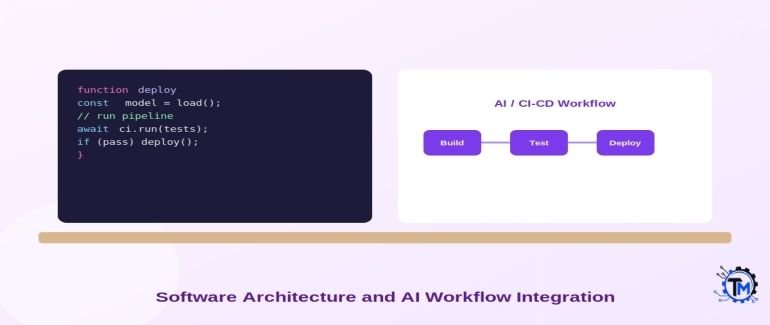
Enterprise software architecture code editor and local AI workflow integration
Applying insights from wavetechglobal.com latest tech gurus extends into modern software engineering, artificial intelligence workflows, and cloud architecture management:
- Cloud FinOps & Dynamic Scaling: Prevent runaway cloud bills by setting automated autoscaling limits, tagging cloud resources accurately, and configuring lifecycle rules to archive inactive objects.
- Local AI Models & RAG Frameworks: Deploy local open-source AI models and Retrieval-Augmented Generation (RAG) pipelines to securely process proprietary documentation locally without exposing sensitive intellectual property to public APIs.
- CI/CD Pipeline Security: Secure software delivery pipelines by building static and dynamic application security testing (SAST/DAST) directly into git pre-commit hooks.
5. Enterprise Performance & Operational Benchmarks
To maintain long-term technical health across workstations, mobile fleets, and enterprise cloud networks, evaluate systems against these core operational targets:
| Technical Area | Unoptimized Baseline | Recommended Expert Target | Primary Utility Benefit |
| Available Storage Reserve | < 5% Free Capacity | 15% – 20% Free Capacity | Prevents disk throttling and maintains fast pagefile indexing. |
| Authentication Standard | Single-factor / Reused Passwords | Zero-Knowledge Vault + FIDO2 Key | Eliminates credential dumping and identity theft vectors. |
| System Boot & Latency | Slow Startup / Process Lag | Instant Response / Optimized Threads | Maximizes daily productive output and extends hardware lifespans. |
| Patch & Security Cadence | Deferred Indefinitely | Automated / Weekly Patch Cadence | Instantly closes zero-day system security vulnerabilities. |
6. Common Technical Errors to Avoid
Avoid these frequent mistakes that compromise system safety and hardware longevity:
- Installing Third-Party “PC Cleaner” Utility Apps: Many rogue cleaning programs act as ad-heavy bloatware, running unnecessary background threads that actually degrade processor performance. Stick to native OS tools.
- Downloading Unverified Modded Binaries: Installing modded installers or unverified software from untrusted repositories frequently exposes systems to hidden trojans and keyloggers.
- Operating Without Redundant System Backups: Running environments without a 3-2-1 backup structure (3 copies, 2 media types, 1 offsite) leaves sensitive data vulnerable to catastrophic hardware failure or ransomware.
Conclusion
Following the strategies behind wavetechglobal.com latest tech gurus turns technology management into an intentional plan for performance, security, and scalability. By applying rigorous hardware optimization, enforcing zero-trust security standards, organizing cloud resources efficiently, and avoiding unnecessary third-party utility bloat, you build a resilient digital foundation. Technical excellence is not a one-time project—it is an ongoing commitment to smart digital habits and proactive system maintenance.
Frequently Asked Questions (FAQs)
Q1: What are the main principles advocated by wavetechglobal.com latest tech gurus?
They focus on proactive hardware resource optimization, zero-trust cybersecurity standards, efficient cloud resource management, and clean software development practices.
Q2: How do regular operating system patches improve performance and security?
Patches resolve memory leaks and background application bugs while fixing active zero-day vulnerabilities that malicious hackers exploit.
Q3: Why are third-party registry and system cleaner tools discouraged?
Most third-party cleaner tools run persistent background processes that drain system RAM and CPU performance, whereas native built-in OS utilities are safer and more effective.
Q4: How frequently should application permissions be reviewed?
Review mobile and desktop application permissions monthly to ensure camera, microphone, location, and data access remain strictly restricted to trusted tools.
Q5: What is the safest approach to multi-account password management?
Use a dedicated zero-knowledge password manager backed by hardware passkeys or authenticator apps to generate and store long, unique credentials for every account.
Source: Tricks Mode
