

In an era defined by rapid technological acceleration, optimizing digital infrastructure, device performance, and cybersecurity protocols is no longer optional—it is a critical necessity. Whether you are managing everyday enterprise workstations, building scalable software ecosystems, or optimizing personal digital hardware, adopting strategic technical habits ensures long-term system stability, data security, and seamless operational efficiency.
This comprehensive guide delivers battle-tested Beaconsoft tips for tech, bridging the gap between high-level architectural strategies and practical daily performance tuning.
1. Deconstructing the Modern Tech Ecosystem
A fully optimized digital environment relies on three structural pillars that work in tandem:
- System Resource Allocation: Ensuring hardware storage, RAM, and background execution processes operate without latency or bottlenecking.
- Proactive Cybersecurity Posture: Moving beyond basic antivirus software to adopt Zero-Trust credential management and encrypted network protocols.
- Infrastructure & Software Health: Maintaining continuous software updates, cache hygiene, and dependency refactoring.
By implementing Beaconsoft tips for tech, technology professionals and everyday users can eliminate performance degradation, prevent unauthorized access, and maximize the lifespan of their digital assets.
2. Advanced Hardware & Device Performance Optimization
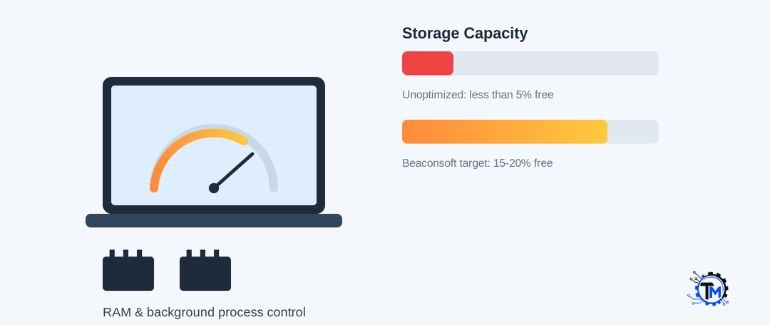
The primary complaint among technology users is system slowdown over time. Unorganized storage drives, unthrottled background threads, and software bloating directly impact processor efficiency and battery longevity.
A. Intelligent Storage Management & Cache Clearance
Storage drives require active maintenance to preserve optimal read/write speeds:
- Purge System & Application Caches: Temporary system files, cached media, and residual installation logs consume critical storage blocks. Regularly auditing local directories prevents drive fragmentation.
- Offload Cold Data to Cloud Storage: Migrate non-essential, large-format media files and archived documents to redundant cloud repositories to maintain at least 20% free local disk capacity.
- Eliminate Duplicate Assets: Utilize automated file deduplication utilities to scan, index, and remove identical file entries cluttering your file system.
B. Background Thread & RAM Allocation Control
Background processes constantly drain computational cycles and battery health:
- Audit Startup Telemetry: Disable unnecessary startup programs and background daemons using Task Manager (Windows) or Activity Monitor (macOS).
- Restrict App Background Refresh: Limit background sync permissions to mission-critical apps to reduce RAM overhead.
- Browser Process Isolation: Web browsers consume substantial memory. Remove inactive browser extensions, clear site cookies periodically, and enable memory-saver features to keep active tabs responsive.
3. Modern Cybersecurity & Privacy Standards
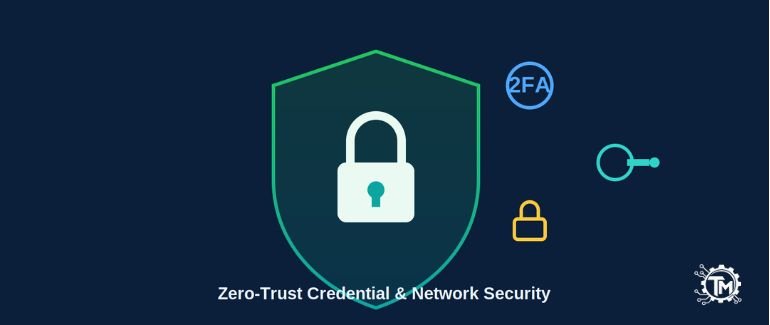
Basic security awareness is insufficient against modern phishing vectors, credential harvesting, and malware threats. Robust security protocols protect sensitive personal and corporate data.
A. Multi-Layered Authentication & Credential Management
Password hygiene remains the first line of defense against unauthorized system intrusions:
- Adopt Zero-Knowledge Password Vaults: Never reuse passwords or store credentials in unencrypted browser text files. Deploy dedicated enterprise password managers (such as Psono or Bitwarden) using complex, unique passphrases.
- Enforce Hardware or App-Based MFA: Replace insecure SMS-based two-factor authentication with TOTP (Time-based One-Time Password) authenticator apps or physical FIDO2 security keys.
B. Network Hardening & Privacy Configurations
- Secure Wi-Fi Router Architectures: Change default admin router credentials, disable remote management features, enable WPA3 network encryption, and establish isolated Guest Networks for secondary devices.
- Granular Application Permissions: Periodically review app permissions. Restrict camera, microphone, precise location tracking, and contacts access to only trusted software applications.
- Proactive Phishing Recognition: Inspect sender email header domains, verify short links using URL expansion tools, and never engage with urgent financial or account suspension alerts without manual verification.
4. Software Architecture, AI, & Infrastructure Optimization
For technical leaders, software engineers, and IT administrators, applying Beaconsoft tips for tech extends to software development lifecycles and cloud infrastructure management:
- Cloud FinOps & Elastic Scaling: Prevent ballooning cloud bills by configuring auto-scaling triggers, tagging infrastructure resources, and setting lifecycle rules to transition old data to cold archive tiers.
- Enterprise AI Workflows: Integrate local AI models and Retrieval-Augmented Generation (RAG) frameworks to automate code linting, ticket triage, and data analysis securely without exposing sensitive IP to public API endpoints.
- Continuous CI/CD Hygiene: Maintain clean continuous integration and deployment pipelines by embedding automated security scanning (SAST/DAST) directly into git commit hooks.
5. Technical Efficiency & Performance Benchmarks
To maintain peak technical health across workstations, mobile platforms, and server infrastructures, monitor your systems against these core operational targets:
| Operational Area | Unoptimized Baseline | Beaconsoft Target Benchmark | Primary Benefit |
| Available Storage Capacity | < 5% Free Space | 15% – 20% Free Space | Prevents disk throttling and maintains fast pagefile indexing. |
| Authentication Protocol | Single-factor / Weak Passwords | Zero-Knowledge Vault + TOTP MFA | Eliminates identity theft and credential dumping attacks. |
| System Boot & Response Time | Slow startup / High Latency | Instant response / Optimized background | Maximizes daily productivity and extends hardware life. |
| App & OS Patch Frequency | Deferred indefinitely | Automated / Weekly Patch Cadence | Closes zero-day security vulnerabilities instantly. |
6. Common Technical Pitfalls to Avoid
Steer clear of these frequent mistakes that compromise system security and hardware longevity:
- Installing Third-Party “Cleaner” Apps: Many rogue cleaning programs act as adware or bloatware, running unnecessary background tasks that actually slow down your processor. Use native OS tools instead.
- Downloading Unverified Executables or Modded Files: Downloading patched installers or modded APKs from third-party repositories frequently exposes devices to Trojans and keyloggers.
- Neglecting System Backups: Operating without a structured 3-2-1 backup strategy (3 copies, 2 media types, 1 offsite location) leaves your files vulnerable to ransomware or catastrophic drive failures.
Conclusion
Achieving peak digital performance, robust cybersecurity, and long-term hardware reliability requires consistent maintenance and informed technical practices. By applying these comprehensive Beaconsoft tips for tech, you can streamline device storage, harden your network against modern cyber threats, optimize system memory, and build a resilient digital ecosystem. System efficiency is not a one-time setup—it is an ongoing commitment to smart digital habits.
FAQs
Q1: What are the most effective Beaconsoft tips for tech to speed up a slow device?
To immediately improve system response times, clear application cache files, disable unnecessary startup programs, delete duplicate media, and restart your hardware regularly to flush system RAM.
Q2: How does regular software updating improve both performance and security?
Software updates contain critical security patches that fix active vulnerabilities, alongside code optimizations that enhance memory management and resolve background application crashes.
Q3: Why should I avoid third-party PC cleaner or battery saver apps?
Most third-party cleaner tools run continuous background processes that consume system memory and battery power. Native built-in tools (such as Storage Sense on Windows or Mac Disk Utility) are safer and far more efficient.
Q4: How often should I review application permissions on my smartphone?
It is best practice to review app permissions monthly. Ensure that location tracking, camera, microphone, and contacts permissions are strictly restricted to essential apps.
Q5: What is the safest way to store passwords across multiple accounts?
Use a trusted, zero-knowledge password manager that generates and encrypts long, complex, unique passwords for every site, backed up by multi-factor authentication (MFA).
