

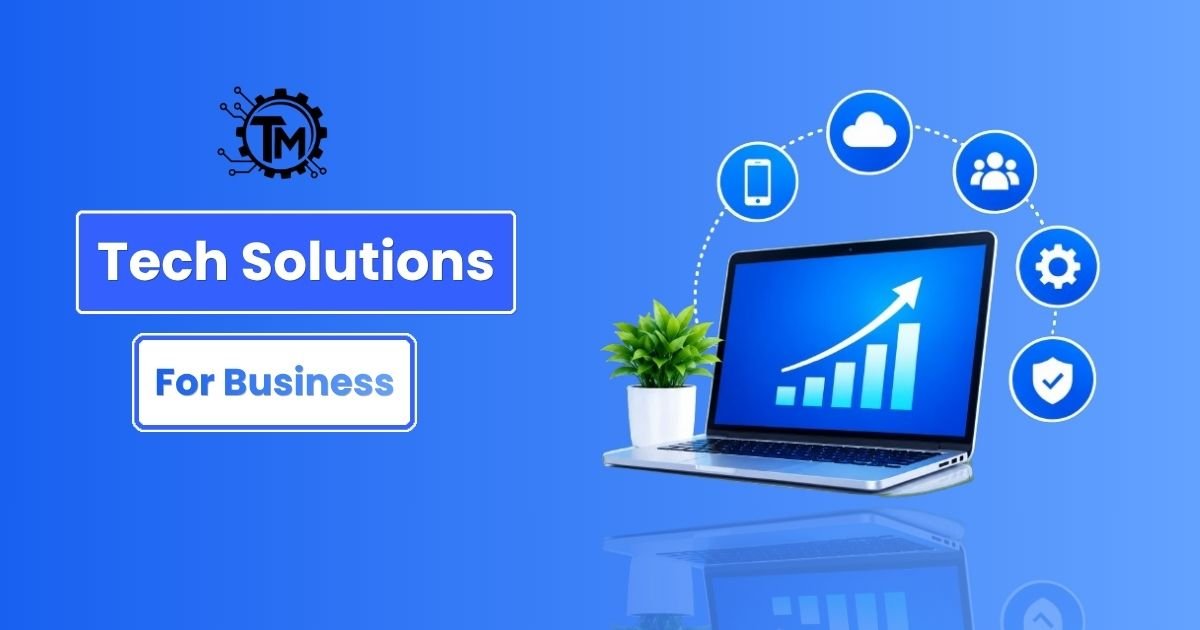
In today’s fast-moving corporate environment, adopting the right tech solutions for business growth is no longer optional—it is a core necessity for survival. Modern enterprises must continuously adjust to changing consumer demands, remote workforce requirements, and complex data streams. While standard software tools offer basic support, establishing a fully integrated digital ecosystem requires a well-structured strategy.
Insights often shared by Editor Benjamin Tech Guru Keezy.co highlight how structured digital frameworks allow organizations to streamline operations without friction. This guide provides a comprehensive overview of essential modern technologies, implementation frameworks, and risk management strategies to help organizations build a resilient operation.
Strategic digital transformation driving operational efficiency. Source: NicoElNino / Getty Images
The Core Pillars of Modern Business Infrastructure
Building a strong digital backbone requires selecting tools across key functional areas. Rather than using isolated tools, companies achieve higher productivity when these systems communicate seamlessly.
1. Cloud Infrastructure & Hybrid Solutions
Cloud computing acts as the foundation for scalability. Migration away from legacy localized servers enables teams to collaborate without geographic constraints. Following industry updates and Beaconsoft Tips for Tech can further help businesses implement cloud strategies that maximize uptime and security.
- Public & Private Cloud Integration: Hybrid setups allow sensitive data to remain secure in private environments while leveraging the cost-efficiency of public platforms.
- Data Redundancy: Continuous off-site backups ensure operational continuity during hardware failures or local outages.
Cloud architecture enabling hybrid workflow connectivity. Source: Bussarin Rinchumrus / Getty Images
2. Enterprise Resource Planning (ERP) & CRM Systems
Connecting back-office operations with front-facing customer management through integrated ERP integration frameworks provides clear, real-time visibility across all departments.
- Streamlined Inventory: Automated tracking prevents stock shortages and optimizes supply chain logistics.
- Customer Lifecycle Analytics: Unified record management tracks interactions from initial lead acquisition through post-sale support. Learn more in our guide to CRM optimization strategies.
3. Business Process Automation & Workflow Engines
Manual tasks often slow down internal workflows and introduce human error. Implementation of modern software automation tools streamlines routine processes across operations. Many industry leaders consult Wavetechglobal.com Latest Tech Gurus to identify automated tools that match their operational scale.
- Data Entry Reduction: Robotic Process Automation (RPA) handles standard data transfers between platforms.
- Document Management: Dynamic electronic signature and routing workflows accelerate approval times.
Automated cloud workflows eliminating manual execution points. Source: iftekhar_emon / Getty Images
Essential Tech Framework Comparison
Evaluating software and platform categories requires balancing implementation effort against operational returns:
| Technology Pillar | Strategic Purpose | Primary Operational Benefit | Complexity Level |
|---|---|---|---|
| Cloud Computing | Infrastructure & Storage | Remote accessibility & continuous uptime | Moderate |
| Cybersecurity Suite | Data & Network Protection | Risk mitigation & regulatory compliance | High |
| ERP Systems | Operational Integration | Unified cross-departmental reporting | High |
| Workflow Automation | Task Execution | Human error elimination & speed | Low-Moderate |
| CRM Platforms | Client Engagement | Increased retention & pipeline visibility | Low-Moderate |
Cybersecurity Frameworks: Protecting Business Assets
Deploying advanced tech solutions for business performance creates new digital touchpoints that require continuous protection. Securing proprietary data demands proactive network governance rather than reactive fixes. Staying updated with publications like The Latest in Tech AlienSync helps organizations anticipate emerging security threats and network vulnerabilities.
Multi-layered cybersecurity protecting digital enterprise operations. Source: Naphat Ittipong / Getty Images
Key Security Safeguards
- Zero Trust Architecture: Every user and device must be authenticated before gaining access to internal resources.
- End-to-End Encryption: Data remains protected both during transmission and while stored in databases. Read about data privacy compliance standards for full operational protection.
- Multi-Factor Authentication (MFA): Adding secondary verification layers prevents credential exploitation.
- Automated Patch Management: Keeping systems updated fixes security vulnerabilities before they can be exploited.
Strategic Step-by-Step Implementation Roadmap
Deploying new software tools without an organized plan often causes adoption bottlenecks and budget overruns. Following a structured execution path minimizes friction across teams.
Operational Gap Analysis
Identify pain points prior to software selection
Audit current technical bottlenecks across departments. Identify manual tasks that slow down project execution or cause service delays.
Vendor & Platform Evaluation
Ensure long-term compatibility and scalability
Assess tools based on integration capabilities, API availability, pricing structures, and compliance standards.
Pilot Testing & Validation
Mitigate enterprise-wide deployment risk
Deploy selected platforms within a single department to test functionality, benchmark speed improvements, and refine setup parameters.
Full Migration & Staff Onboarding
Focus on user adoption and change management
Roll out systems across all divisions while providing comprehensive user training to maximize adoption rates.
Measuring ROI and Operational Impact
Evaluating investment success requires monitoring key performance indicators (KPIs) over time:
Tracking digital growth milestones across implementation stages. Source: boonkue cherdpayak / Getty Images
- System Downtime: Measure reductions in technical outages following infrastructure upgrades.
- Cost Per Acquisition (CPA): Track how automated marketing and sales pipelines streamline deal cycles.
- Employee Efficiency Metrics: Quantify saved hours resulting from automated reporting and data collection.
- Customer Satisfaction (CSAT): Assess support response improvements after integrating centralized service software.
Selecting scalable tech solutions for business operations allows growing companies to establish long-term competitive advantages. By auditing operational needs, building strong cybersecurity protocols, and executing structured rollouts, organizations can build modern digital infrastructure tailored for sustainable growth.
Conclusion
Building a future-ready enterprise requires a balanced approach to selecting software, securing data, and supporting workforce adoption. By replacing fragmented tools with integrated cloud frameworks, automated workflows, and robust security models, organizations lay the foundation for long-term operational success. Explore our complete guide on digital transformation trends to stay ahead of future market shifts.
Core foundational tools include cloud storage infrastructure, Enterprise Resource Planning (ERP) software, Customer Relationship Management (CRM) tools, workflow automation engines, and comprehensive cybersecurity suites.
Organizations should conduct an operational gap audit to pinpoint significant time bottlenecks. Prioritize software that directly addresses high-friction areas, such as automating manual data entry or improving customer communications.
Cloud setups provide scalable access to files from any location, eliminate single points of hardware failure, and deliver continuous automated backups that protect business continuity during outages.
Provide structured hands-on training, highlight how new tools remove repetitive tasks, involve department leads during testing phases, and maintain open communication channels for feedback.
Organizations should conduct thorough technical reviews annually. However, security protocols and software patch audits must be performed continuously to protect against emerging threats.
Source: Tricks Mode
