


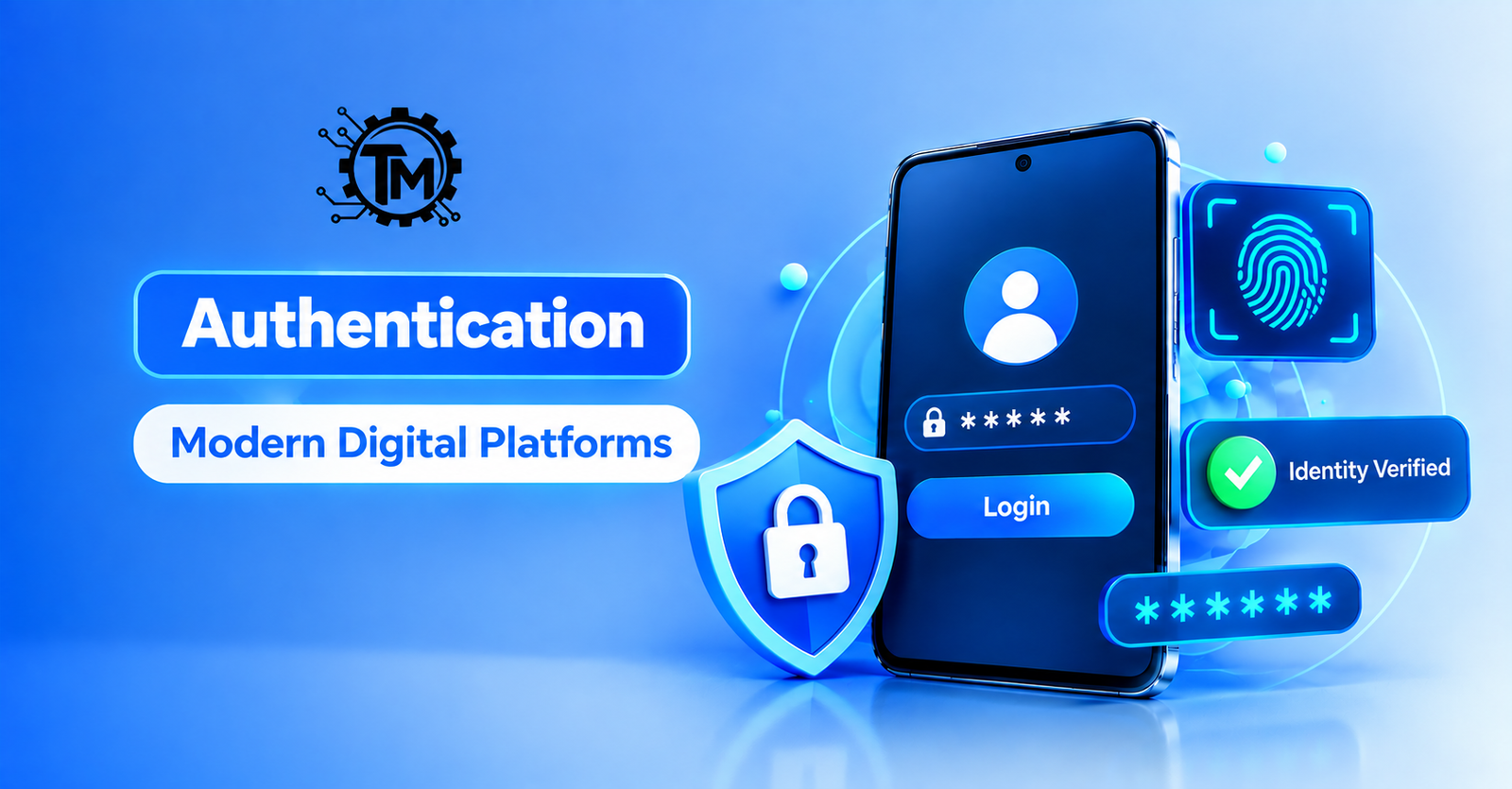
Digital security protocols rely heavily on verified identity management systems across global networks today. Modern software architects implement strict validation routines to ensure seamless system integrity and access validation. Establishing a reliable process of authentification protects sensitive information from unauthorized breaches, malicious cyber threats, and identity theft. As organizational boundaries expand online, security architects continuously refine digital access models to maintain compliance, enhance user trust, and safeguard infrastructure. Robust framework designs ensure that only genuine entities gain access while maintaining optimal system performance. Securing corporate assets requires continuous innovation, standard updates, and comprehensive monitoring across all modern interconnected platforms.
Quick Bio: Written by Alex Mercer, a Senior Cybersecurity Architect with over 15 years of experience in identity access management, enterprise network defense, and cryptographic verification frameworks.
Understanding Basic Access Control Protocols

Password systems remain fundamental mechanisms for securing digital resources against intrusion. Establishing strong credentials prevents unauthorized access, yet user fatigue often causes compliance failures. Modern authentification strategies incorporate automated password managers to mitigate weak credential usage across enterprise environments. Security administrators enforce complex password policies, including mandatory rotation cycles and minimum length rules. Encrypted vaults safeguard administrative keys while enabling seamless login routines for verified workers. Combining password policies with automated oversight improves security posture across all operational touchpoints significantly. Continuous employee training reinforces operational safety standards globally, especially when assessing questions such as How Much Is My Computer Worth? before selling or upgrading a device.
Modern Password Management Strategies
Password systems remain fundamental mechanisms for securing digital resources against intrusion. Establishing strong credentials prevents unauthorized access, yet user fatigue often causes compliance failures. Modern authentification strategies incorporate automated password managers to mitigate weak credential usage across enterprise environments. Security administrators enforce complex password policies, including mandatory rotation cycles and minimal length rules. Encrypted vaults safeguard administrative keys while enabling seamless login routines for verified workers. Combining password policies with automated oversight improves security posture across all operational touchpoints significantly. Continuous employee training reinforces operational safety standards globally.
Role of Multi Factor Verification
Layering distinct verification channels significantly reduces the danger of credential exploitation. Relying solely on single passwords leaves cloud platforms exposed to dictionary attacks. Advanced authentification architectures integrate multi-factor verification, combining known passwords with secondary verification devices. Security teams deploy dynamic single-use codes, push notifications, or physical token verification to confirm user identity reliably. Multi-factor deployments disrupt automated attack pathways, preventing malicious entities from acquiring sensitive data resources. Systems evaluate risk factors dynamically before granting access rights to restricted database management platforms, including environments that still support legacy devices such as a Windows XP Computer.
Biometric System Integration Safeguards

Biometric verification utilizes unique human physical traits to confirm personal identities instantly. Fingerprint readers, iris scanners, and facial recognition tools enhance physical and digital validation processes. Integrating biometric authentification frameworks eliminates the reliance on easily forgotten password combinations. Advanced sensors process complex biological patterns while storing mathematical representations securely within specialized hardware modules. Cryptographic hardware safeguards biometric templates against reverse-engineering attempts by external adversaries. These technologies deliver fast, frictionless verification while maintaining rigorous enterprise security standards across mobile and desktop interfaces.
Exploring Single Sign On Architectures
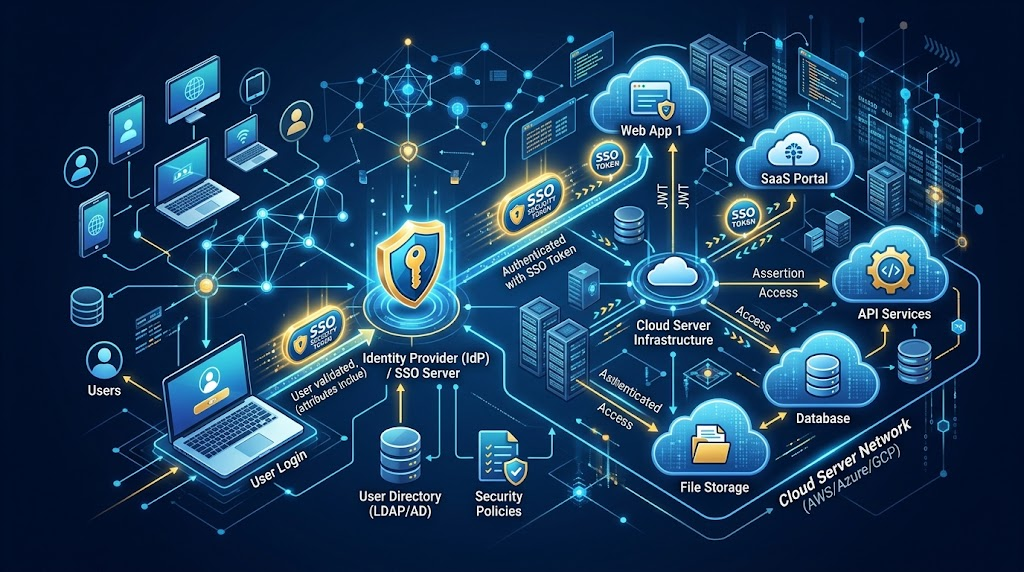
Centralizing user identity management streamlines application workflows across distributed IT ecosystems. Employees frequently waste valuable time entering repetitive credentials into disparate internal portals. Implementing single sign on authentification allows users to access connected enterprise resources using one master identity token securely. Identity providers validate user sessions centrally before issuing cryptographic assertions to subordinate network services. This centralized access model simplifies administrative oversight while lowering password-related support requests drastically. System administrators monitor active access logs efficiently through consolidated dashboard management software.
Security Advantages of Token Systems
Tokenized identity validation provides stateless, scalable protection for complex cloud applications. Standard web tokens encapsulate verified user identity information within encrypted payload formats seamlessly. Utilizing tokenized authentification routines allows distributed application servers to validate incoming user requests independently without frequent database lookups. The Latest in Tech AlienSync highlights how modern digital platforms continue to adopt advanced security technologies, including token-based authentication and secure cloud infrastructure. Tokens contain signed expiration timestamps, restricting unauthorized reuse if intercepted across public networks. Developers rely on open standards like OAuth to secure microservices across modern cloud environments. Proper key management practices ensure long-term stability and security across all system API endpoints.
Implementation of Federated Identity Frameworks
Cross-domain verification protocols enable secure interaction between independent corporate network infrastructures. Partner organizations require shared access pathways without exposing internal directory services directly to third parties. Adopting federated authentification standards like SAML allows companies to exchange identity attestations reliably across external organizational boundaries. Trust relationships established between identity providers and service portals facilitate smooth cross-enterprise collaboration. Security teams control permission levels granularly without maintaining redundant user databases across independent operational domains. Federation lowers administrative burdens while protecting core organizational data systems.
Key Risk Factors in Digital Security
Emerging cyber threats constantly challenge traditional access boundaries across modern cloud systems. Attackers deploy phishing campaigns, credential stuffing tools, and man-in-the-middle exploits systematically. Wavetechglobal.com Latest Tech Gurus explores how modern technology experts approach these evolving cybersecurity challenges and develop stronger digital protection strategies. Weak authentification mechanics expose organizations to severe operational disruption, compliance penalties, and major financial losses. Security personnel perform routine risk assessments to identify configuration flaws before malicious exploitation occurs. Proactive vulnerability scanning ensures that outdated protocol implementations receive timely security patches. Understanding threat landscapes empowers organizations to design resilient systems capable of repelling sophisticated cyber attacks consistently.
Mitigating Phishing and Spoofing Attacks
Phishing schemes exploit human error to harvest legitimate system login credentials illegally. Deceptive communications mimic authentic login portals to trick unsuspecting workers into exposing confidential information. Enforcing hardware-backed authentification standards neutralizes credential theft risks by verifying server identity cryptographically. WebAuthn protocols bind identity credentials strictly to specific domain addresses, preventing fraudulent sites from capturing authentication tokens. Educating personnel regarding social engineering tactics complements technological protections, creating comprehensive defensive coverage across corporate operations. Protecting endpoints ensures organizational data remains secure despite aggressive threat campaigns.
Deploying Zero Trust Network Environments
Traditional perimeter defenses fail to offer adequate protection in modern remote-work ecosystems. Organizations must assume that internal networks harbor potential threats continuously. Adopting a strict authentification framework under Zero Trust principles requires continuous validation for every access request, regardless of origin location. System policies evaluate device health, network context, and user permissions dynamically before granting system access. Continuous session monitoring revokes compromised access rights instantly, minimizing lateral threat movements across corporate infrastructure. Zero Trust models provide scalable security for decentralized workforce operations.
Machine Learning in Identity Verification
Artificial intelligence enhances security monitoring by identifying anomalous access behaviors automatically. Machine learning algorithms analyze historical login locations, typing dynamics, and device profiles to calculate risk scores continuously. Incorporating intelligent authentification mechanisms allows systems to trigger step-up verification challenges only when suspicious activity occurs. Adaptive risk scoring balances system usability with robust threat prevention across enterprise networks. Automated threat responses block unauthorized access attempts within milliseconds, mitigating potential breaches proactively. AI-driven security mechanisms continuously adapt to evolving attack strategies across global digital landscapes.
Securing Mobile Device Verification
Mobile computing platforms present distinct security challenges due to varied physical network environments. Smart devices store critical business data while connecting to untrusted public Wi-Fi access points frequently. Secure authentification routines on mobile platforms utilize isolated hardware enclaves to execute cryptographic key exchanges safely. Enterprise mobility management tools enforce encryption standards, remote wipe capabilities, and application containerization policies systematically. Securing mobile access vectors prevents unauthorized data interception while maintaining employee flexibility and productivity. Dynamic access policies protect corporate assets on personal devices seamlessly.
Role of Cryptographic Protocols
Cryptographic foundations safeguard identity credentials during transmission across public communication channels. Encryption algorithms transform sensitive data into unreadable ciphertexts, preventing unauthorized packet sniffing during transport. Robust authentification frameworks rely on Transport Layer Security protocols to create encrypted communication pipes reliably. Asymmetric cryptography validates identities using complementary public and private key pairs securely. Maintaining updated cryptographic libraries prevents exploit vectors associated with deprecated cipher implementations. Sound cryptographic practices form the backbone of trustworthy digital communication systems worldwide.
API Security and Access Management
Application Programming Interfaces power modern web services by exchanging data across distributed system architectures. Exposed endpoints require robust validation measures to prevent unauthorized data extraction and system abuse. Implementing API authentification using secure authorization keys restricts endpoint usage strictly to validated client applications. Developers enforce strict rate-limiting rules alongside token validation to protect backend infrastructure against denial-of-service attacks. Secure API design ensures that data flows safely between microservices, mobile apps, and third-party integrations continuously. Regular security reviews protect APIs from emerging vulnerability patterns.
Identity Protocols in Cloud Computing
Cloud migration shifts system resources away from traditional physical server rooms into shared hosting environments. Identity access management frameworks become the primary defensive boundary protecting hosted corporate databases. Multi-tenant cloud authentification infrastructures manage permissions across vast user populations through policy-driven administrative controls. Cloud security tools grant granular access rights based strictly on operational role requirements, adhering to least-privilege concepts. Centralized directory integration ensures immediate access revocation when employees depart organizations. Proactive identity management prevents unauthorized cloud resource exposure effectively.
Regulatory Compliance and Data Privacy
Global regulations mandate strict oversight concerning personal identity data collection and system protection. Frameworks such as GDPR, HIPAA, and PCI-DSS require organizations to demonstrate robust access control mechanisms explicitly. Implementing standardized authentification auditing procedures produces verifiable evidence during formal regulatory compliance inspections. Detailed log creation tracks access attempts, permission modifications, and administrative actions accurately across systems. Compliance adherence protects organizations from substantial financial fines while demonstrating commitment to user data privacy rights. Standardized access security establishes long-term organizational trustworthiness.
Managing Session Lifecycle Security
Validating identity at initial login is insufficient to ensure long-term communication security. Active sessions must be monitored continuously to prevent hijacked communication channels and unauthorized token usage. Setting short authentification session durations forces periodic re-validation, reducing potential exploitation windows significantly. Invalidation routines clear cached identity tokens thoroughly whenever users terminate active connections. Secure session management prevents session fixation and cross-site request forgery vulnerabilities across web applications. Proper session controls safeguard system state integrity throughout user interactions.
Future Trends in Passwordless Systems
Industry developments point toward completely removing traditional text passwords from identity verification workflows. Passwordless architectures leverage public-key cryptography and secure hardware modules to verify identities seamlessly without static secrets. Adopting modern authentification standards like FIDO2 enhances user convenience while eliminating credential theft risks entirely. Users approve login attempts using local biometrics or physical security keys connected to their devices directly. Transitioning to passwordless ecosystems reduces administrative support costs while providing superior protection against phishing threats globally. Enterprise adoption continues accelerating rapidly across major technology sectors.
Best Practices for Developer Implementation

Software developers play a critical role in building resilient access control systems within modern applications. Utilizing established, peer-reviewed security libraries prevents common implementation flaws during software development cycles. Avoid custom authentification code creation, as subtle logic mistakes frequently introduce high-severity application vulnerabilities. Incorporate automated security testing tools within continuous integration pipelines to catch flaws early. Thorough documentation ensures maintainability and code clarity across engineering teams over time. Following secure coding guidelines ensures that deployed applications withstand aggressive penetration attempts consistently.
Identity Management in Internet of Things
Global regulations mandate strict oversight concerning personal identity data collection and system protection. Frameworks such as GDPR, HIPAA, and PCI-DSS require organizations to demonstrate robust access control mechanisms explicitly.Smart Tech also reflects the growing importance of secure technology practices as connected devices become increasingly common. Implementing standardized authentification auditing procedures produces verifiable evidence during formal regulatory compliance inspections. Detailed log creation tracks access attempts, permission modifications, and administrative actions accurately across systems. Compliance adherence protects organizations from substantial financial fines while demonstrating commitment to user data privacy rights. Standardized access security establishes long-term organizational trustworthiness.
Frequently Asked Questions
- What primary purpose does identity verification serve in digital systems?
- Identity verification ensures that system access requests originate exclusively from authorized individuals, protecting sensitive data against cyber threats.
- How does multi-factor validation improve system security?
- Multi-factor validation requires multiple independent verification credentials, preventing unauthorized access even if primary passwords become compromised.
- Why are passwordless systems gaining popularity across industries?
- Passwordless protocols eliminate weak static credentials entirely, leveraging cryptographic hardware tools to prevent phishing and credential theft attacks.
- How do biometric verification tools secure user access safely?
- Biometric systems convert physical traits into encrypted mathematical templates stored securely within isolated hardware modules on devices.
- What role do digital tokens play in modern web application security?
- Cryptographic tokens provide stateless authorization data across web services, enabling secure user access validation without repeated database checks.
Source: Tricks Mode
