

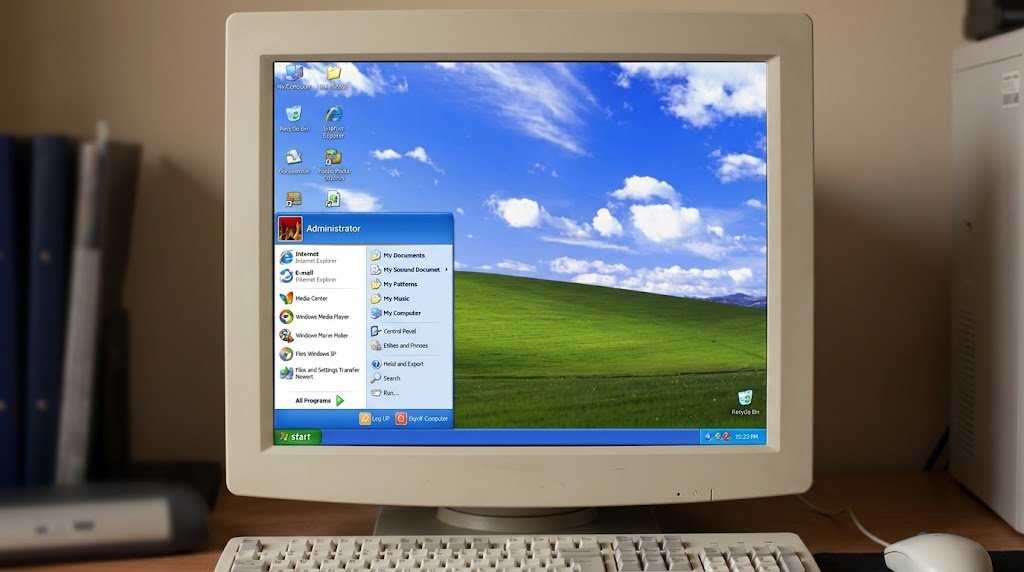
Despite being launched by Microsoft on October 25, 2001, and officially reaching end-of-life over a decade ago, the Windows XP computer remains one of the most resilient and iconic pieces of technology ever created. Built on the robust Windows NT kernel (version 5.1), Windows XP bridged the gap between legacy consumer operating systems (like Windows 98 and Windows Me) and enterprise-grade NT environments, delivering stability and a visual design (Luna) that defined a decade of computing.
As highlighted in technical retrospectives by Editor Benjamin Tech Guru Keezy.co, maintaining legacy OS environments requires strict hardware abstraction and isolated security protocols. Today, dedicated enthusiasts, retro gamers, industrial operators, and IT archivists still run physical or virtualized Windows XP machines. While Microsoft’s mainstream support ended on April 14, 2009, and extended support concluded on April 8, 2014, unique hardware requirements and vintage software compatibility keep this system operational globally. This comprehensive guide covers hardware specifications, service pack evolution, air-gapped security protocols, retro gaming setups, and modern virtualization methods for your Windows XP computer.
Technical Specifications and Original Hardware Requirements
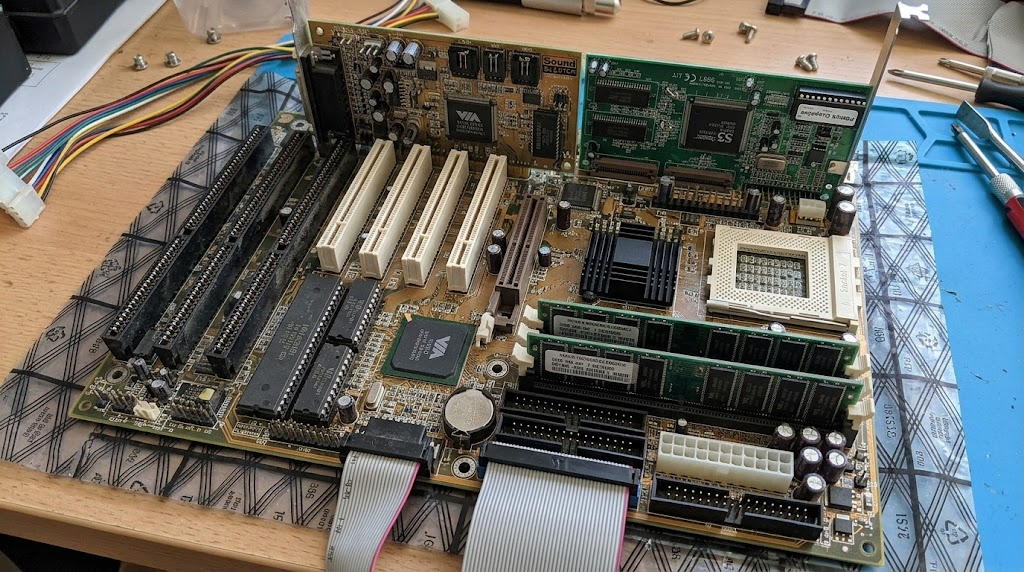
Understanding the baseline hardware required to run a Windows XP computer effectively is crucial, whether you are restoring a vintage beige box or optimizing a modern virtual machine (VM).
Minimum vs. Recommended Hardware Requirements
When XP launched, its requirements were modest by today’s standards, but significant compared to Windows 98:
- Processor (CPU): 233 MHz minimum (Pentium II or equivalent); 300 MHz or faster recommended (Pentium 4 or AMD Athlon for optimal performance).
- System Memory (RAM): 64 MB minimum; 128 MB recommended. (For modern usability, 512 MB is considered a functional minimum, while 2 GB is the optimal “sweet spot” for stability).
- Hard Drive Space: 1.5 GB of available storage space.
- Graphics (GPU): SVGA resolution (800×600) video adapter and monitor. DirectX 7/8 compatibility recommended for early 2000s applications.
- Optical Drive: CD-ROM or DVD-ROM drive for installation and software media.
Important Architecture Limit Note: The 32-bit (x86) edition of Windows XP can address a maximum of 4 GB of RAM. However, practical application availability is closer to ~3.25 GB due to PCI memory mapping and system resource allocation. The niche 64-bit (x64) edition supports up to 128 GB of RAM but suffers from poor driver compatibility.
History and Major Service Pack Upgrades: The Evolution of XP
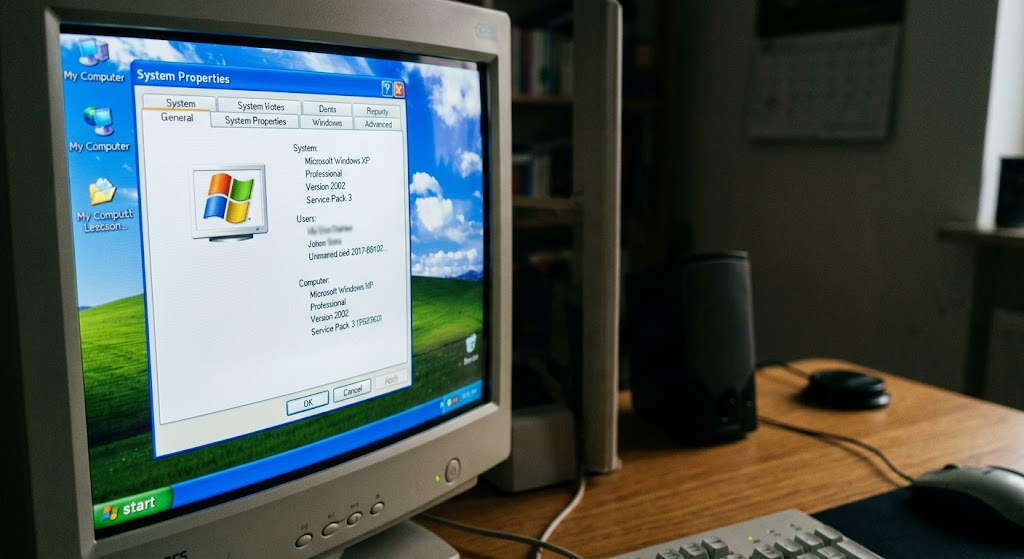
Windows XP received three seminal “Service Pack” updates that transformed the operating system, patching security holes, expanding hardware compatibility, and modernizing networking capabilities.
- Service Pack 1 (SP1 – September 2002): The first major update introduced essential USB 2.0 support, enabling faster peripherals. It also updated numerous security patches and modified default settings (middleware) to satisfy antitrust rulings.
- Service Pack 2 (SP2 – August 2004): A critical overhaul, SP2 focused almost exclusively on security. It introduced the modern Windows Security Center, dramatically improved the built-in Windows Firewall (enabled by default), added pop-up blocking to Internet Explorer 6, and supported Data Execution Prevention (DEP) to thwart malware. SP2 is widely regarded as the definitive, stable version of Windows XP.
- Service Pack 3 (SP3 – April 2008): The final cumulative update rollup, SP3 condensed previous patches and introduced features backported from Windows Vista, such as Network Access Protection (NAP) and improved cryptography. It is the recommended final patch level for any Windows XP computer.
Niche Use Cases: Why Windows XP is Still Operational Today
While no longer suitable for modern daily office tasks, several unique environments mandate the continued operation of Windows XP.
Industrial Automation and CNC Machinery
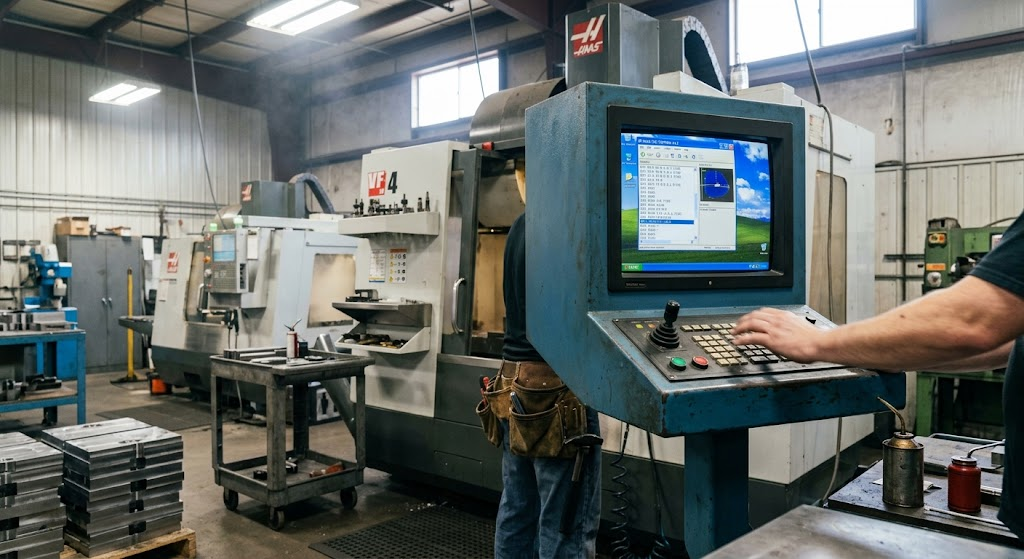
This is perhaps the largest commercial use case. Millions of dollars of industrial equipment, including CNC routers, manufacturing robotic arms, medical imaging devices (MRI/CT scanners), and laboratory diagnostic tools, interface via proprietary ISA, PCI, or serial connection cards. The custom software control panels were developed strictly for Windows NT/XP drivers. Replacing the computer means replacing the entire multi-million dollar machine, making an air-gapped Windows XP computer indispensable.
Retro Gaming and Preservation
For gamers who grew up in the early 2000s, Windows XP is the holy grail. It provides native, flaw-free compatibility with DirectX 8 and DirectX 9 titles. While modern compatibility layers exist, many classic games (like Diablo II, Half-Life, or RollerCoaster Tycoon 2) suffer from graphical glitches, sound synchronization issues, or copy protection conflicts (DRM like SafeDisc/SecuROM) on Windows 10/11. A dedicated physical XP build allows access to original, unpatched software.
Legacy Software and Technical Archiving
Proprietary databases, vintage accounting software, legacy CAD tools, and specialized programming environments for older microcontrollers require Windows XP. Additionally, IT archivists use isolated XP machines to access obsolete file systems or interface with vintage external storage hardware that lacks 64-bit drivers.
Security in the Post-Support Era: Operating Safely
Running an unsupported operating system is inherently dangerous if it is connected directly to the public internet. Since 2014, known vulnerabilities (like EternalBlue, used by WannaCry) exist that are unpatched by default on standard XP installs.
The Immutable Rule: Total Air-Gapped Isolation
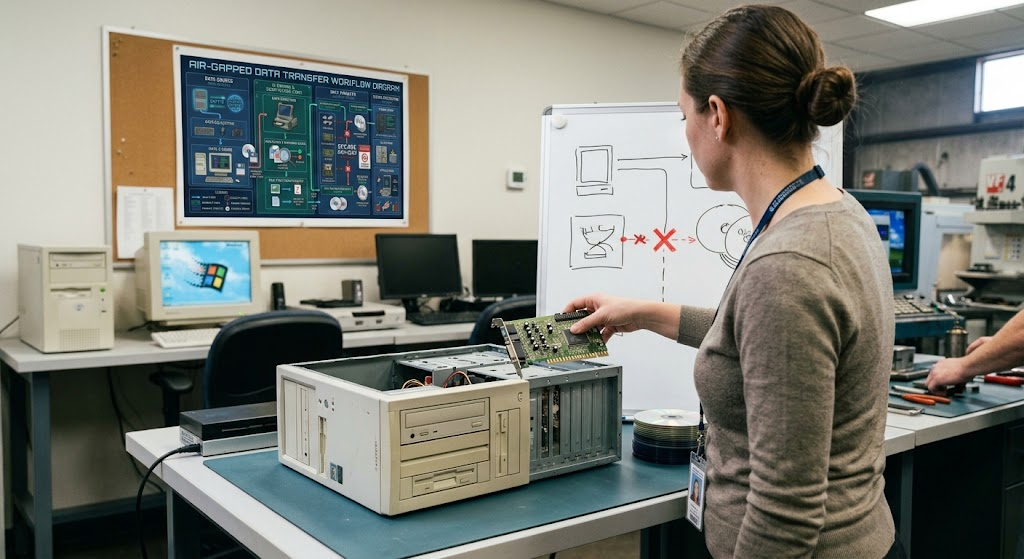
The primary security protocol for a Windows XP computer is Total Air-Gapped Isolation. It must never, under any circumstances, connect directly to a router with internet access.
- Disable Network Adapters: Navigate to Device Manager or Network Connections and physically disable any installed Wi-Fi cards or Ethernet ports.
- Avoid Local LAN Connections: Fully scan downloads using modern anti-virus tools. Following practical Beaconsoft Tips for Tech guidelines—such as using multi-engine malware scans and verified USB transfers—ensures clean executable migration to offline machines.
- Virtualization Priority: Whenever possible, run Windows XP inside modern host-only virtualization (VirtualBox, VMware) on a secured Windows 11 machine.
Data Transfer Hygiene
Just as modern mobile and digital web platforms require specific deployment frameworks—whether using PWA wrappers for location tools like the Sniffies App Android Download, setting up streaming applications via The TV App Download utilities, or converting digital assets when learning how to Sell Gift Cards Instant Payment Cash App—legacy desktop environments require strict isolation to function safely without modern cloud dependencies.
- Download on Modern Host: Download files using your secured Windows 11 machine.
- Scan for Malware: Fully scan the downloads using modern anti-virus tools.
- Physical Transfer: Copy the files to a physical USB drive.
- Transfer to XP: Eject the drive from the host and insert it into the XP computer. Do not connect them via a shared network folder.
Physical Hardware Build vs. Virtual Machine Deployment
The best approach for operating Windows XP depends heavily on your goals.
| Feature | Physical Windows XP Machine | Virtual Machine (VirtualBox/VMware) |
| Best For | Native Legacy Hardware (ISA/PCI cards), Native Retro Gaming | Software Testing, Legacy Apps, Security |
| Setup Cost | Variable (Sourcing Vintage Parts) | Free (Virtualizer is free; needs OS license) |
| Hardware Compatibility | Full native support for period GPUs/Sound | Emulated graphics; Good standard device support |
| GPU/3D Acceleration | Direct, full hardware acceleration (e.g., Voodoo, early GeForce) | Good basic 3D support; may lag with complex games |
| Security Risk | High (Vulnerable physical system) | Low (Isolated within Host OS) |
| Portability | Fixed physical unit | Instantly portable (Copy VM folder) |
Restoring a Physical Build
If restoring physical hardware, target parts from the “late XP” era (circa 2006–2009):
- CPU: Intel Core 2 Duo or AMD Athlon 64 X2.
- Motherboard: Sockets LGA775 or AM2, which offer SATA support.
- GPU: NVIDIA GeForce 7000/8000 series or ATI Radeon X-series, which have excellent, mature XP driver support.
- Monitor: A period-accurate CRT monitor provides the lowest input lag and best motion resolution for retro games, running natively at lower resolutions like 1024×768.
Deploying via Virtualization
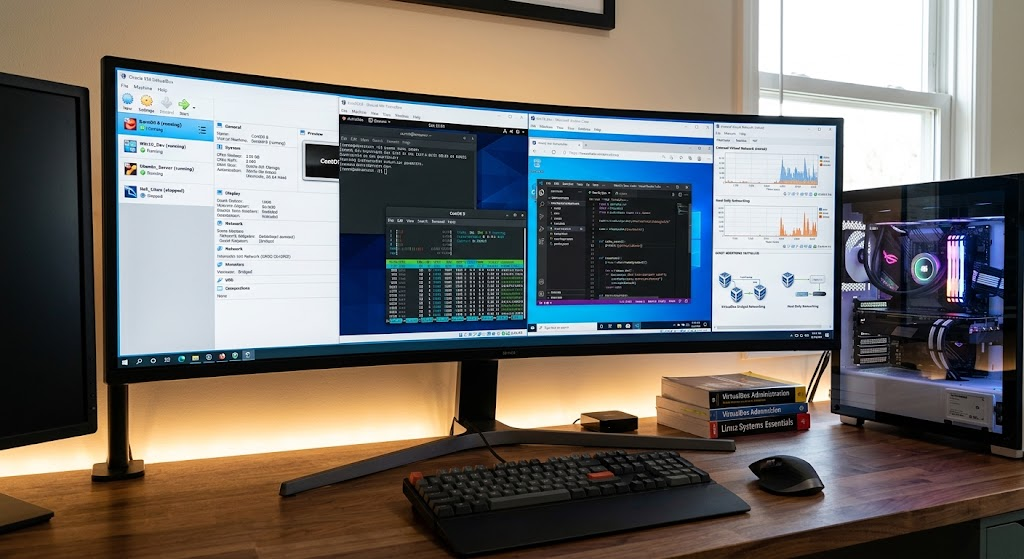
Running XP on modern hardware requires software like Oracle VM VirtualBox or VMware Workstation Player.
- Create a new VM, selecting “Windows XP (32-bit).”
- Allocate appropriate resources (512 MB–1 GB RAM, 20 GB Disk).
- Mount your official Windows XP ISO file as an optical drive and boot the VM.
- Install Guest Additions/Tools: This is crucial. Once XP is installed, install the Guest Additions (VirtualBox) or VMware Tools to provide mouse integration, optimized graphics drivers, and folder sharing.
- Configure Network to “Host-Only”: In VM settings, ensure the network adapter is set to Host-Only or Not Connected to maintain an air-gap.
Expert Consultation and Final Recommendation
When maintaining a Windows XP computer, prioritizing security through isolation is your mandatory directive. While the operating system is a masterpiece of early 2000s computing, its unpatched vulnerabilities require strict management. If your task involves interacting with original PCI/ISA industrial cards or a perfect, driver-level retro gaming environment, source late-era physical components and operate them purely air-gapped from internal networks. For all other software compatibility or archival needs, virtualization on a secured Windows 11 host provides the safest, most flexible, and most sustainable path for preserving the legacy of Windows XP.
No. Windows XP lacks native WPA2/WPA3 support, and the browsers (IE6, old Firefox) cannot render modern websites. It is highly vulnerable; keep it completely offline.
Native Internet Explorer is unusable. Use community-backported, lightweight browsers that are semi-maintained, such as MyPal or Supermium. These browsers work offline to access files but will not provide secure web access.
Use a modern PC to download the “offline redistributable” driver packages (usually .exe or .zip files). Transfer these files to the XP machine using a USB flash drive (FAT32 formatted).
Official support has ended. However, some unofficial cumulative updates (like the “Unofficial SP4” community project) compile all previous patches and register the system for POSReady 2009 updates, though these should only be used by experienced technicians.
Activations may fail. Microsoft officially stated that phone activation might remain available, but practically, most offline systems are maintained using original, non-activated volumetric keys where compliance allows, or by specialized activation backup utilities.
Source: Tricks Mode
