

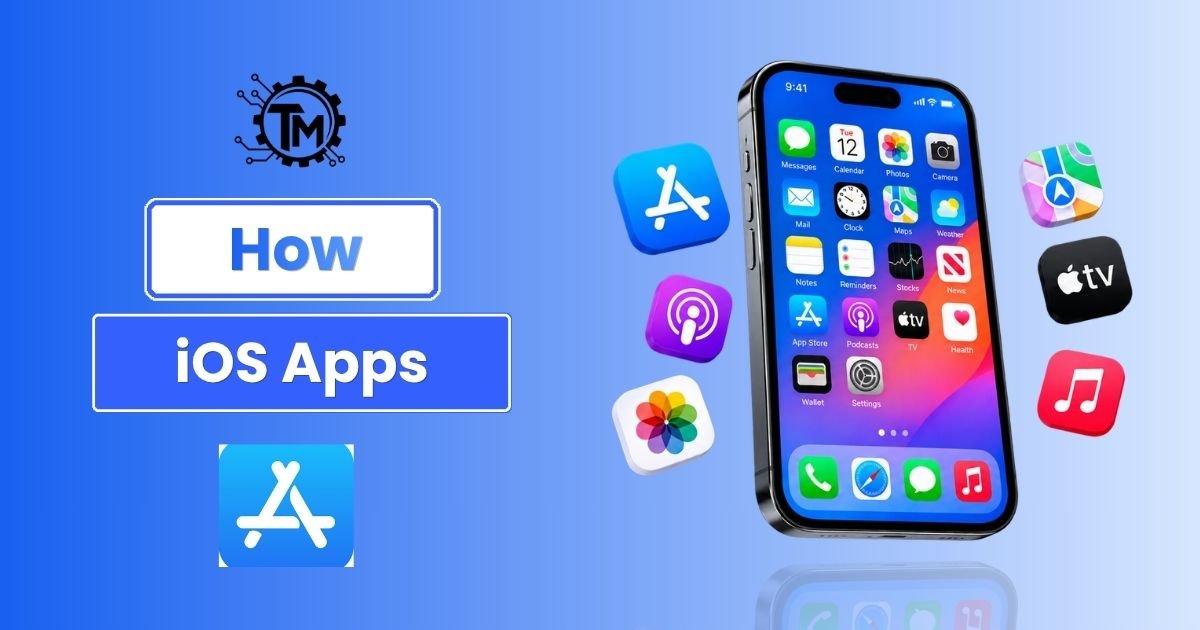
Someone unlocks their iPhone with a glance, asks a quick question through voice assistant while their hands are full, and later that day uses their phone as a boarding pass, a wallet, and a health tracker, all without giving any of it a second thought. A decade ago, most of this would have felt like science fiction. Today, it’s simply what an iPhone is expected to do, and it’s exactly this rising bar that’s pushed so many businesses to partner with a skilled iOS App Development company, recognizing that building for Apple’s ecosystem now means building toward genuinely high user expectations shaped by years of polished, tightly integrated experiences.
iOS has always occupied a distinct position in the mobile landscapea smaller share of the global market by device count, but a user base known for spending more, engaging more deeply, and expecting a level of polish that has quietly raised the bar for what “good” mobile experiences actually look like across the entire industry.
Why iOS Continues to Shape Mobile Expectations
Apple’s tightly controlled hardware and software ecosystem has always given iOS apps a level of consistency and integration that’s harder to achieve on more fragmented platforms. This consistency has trained users to expect smooth performance, thoughtful design, and deep integration with device features as a baseline standard rather than a bonus. When an iOS app feels clunky or poorly designed, users notice immediately, and that expectation of polish has increasingly influenced how businesses approach mobile development generally, even beyond Apple’s own ecosystem.
Where iOS Innovation Is Actively Reshaping User Experience
1. Deeper Integration With Device Hardware
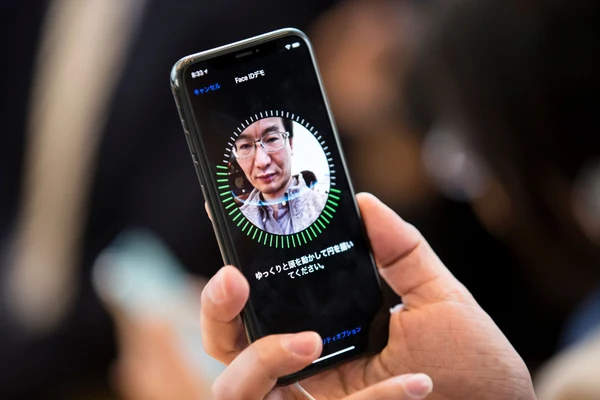
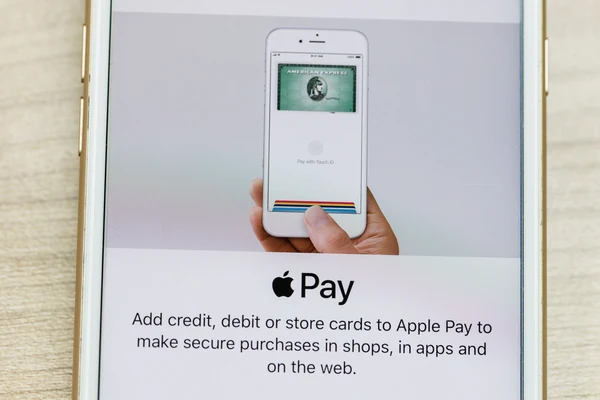
Modern iOS apps increasingly take advantage of advanced camera systems, biometric authentication, spatial audio, and sensor data in ways that feel seamless rather than gimmicky. This deep hardware integration allows for experiences augmented reality features, precise health tracking, secure payments that would be considerably harder to replicate with the same reliability on less tightly controlled platforms.
2. Privacy-Focused Design Becoming a Genuine Differentiator
Apple’s strong emphasis on user privacy has pushed iOS app developers to build with data protection as a core design consideration rather than an afterthought. Features like app tracking transparency and on-device processing have shaped user expectations around privacy that increasingly extend into how people evaluate mobile apps across every platform, not just iOS specifically.
3. Widgets and Home Screen Personalization
The ability to customize home screens with interactive widgets has changed how users interact with apps, allowing key information to surface without even opening the app itself. This has pushed developers to think beyond a single in-app experience and consider how their app can provide value directly from the home screen.
4. Seamless Cross-Device Continuity
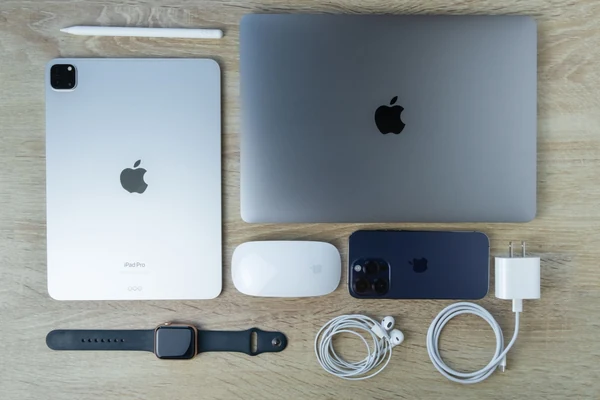
Apple’s ecosystem allows iOS apps to work fluidly across iPhone, iPad, Mac, and Apple Watch, creating continuity that feels almost invisible to the user starting a task on one device and picking it up seamlessly on another. This kind of integration has raised expectations for what a cohesive, connected app experience should actually feel like.
5. Advanced Health and Wellness Integration
Health-focused iOS apps increasingly tap into a rich ecosystem of health data collected across Apple devices, enabling far more sophisticated, personalized health and fitness experiences than would be possible working with fragmented, standalone data sources.
6. AI-Enhanced Features Built Directly Into the Platform
On-device machine learning capabilities have allowed iOS apps to offer smart features predictive text, image recognition, personalized recommendations that run efficiently and privately on the device itself, rather than requiring constant data transmission to external servers.
Why Businesses Continue Prioritizing iOS Development
Despite Android’s larger global market share, iOS users consistently demonstrate higher average spending on apps and in-app purchases, along with generally higher engagement rates. This has kept iOS development a priority for many businesses, particularly those in industries like finance, health, luxury retail, and subscription-based services, where the iOS user base tends to align closely with their target customer profile.
Beyond direct revenue considerations, the platform’s design standards and technical capabilities often push development teams toward higher-quality output overall, since Apple’s app review process and platform guidelines enforce a baseline level of polish and functionality that some other platforms don’t require as strictly. Users managing multi-platform mobile tools often balance diverse application needs, whether navigating progressive web setups like a Sniffies App Android Download, managing options to Sell Gift Cards Instant Payment Cash App, or managing entertainment options via The TV App Download alongside native ecosystem apps.
Understanding the Investment Involved
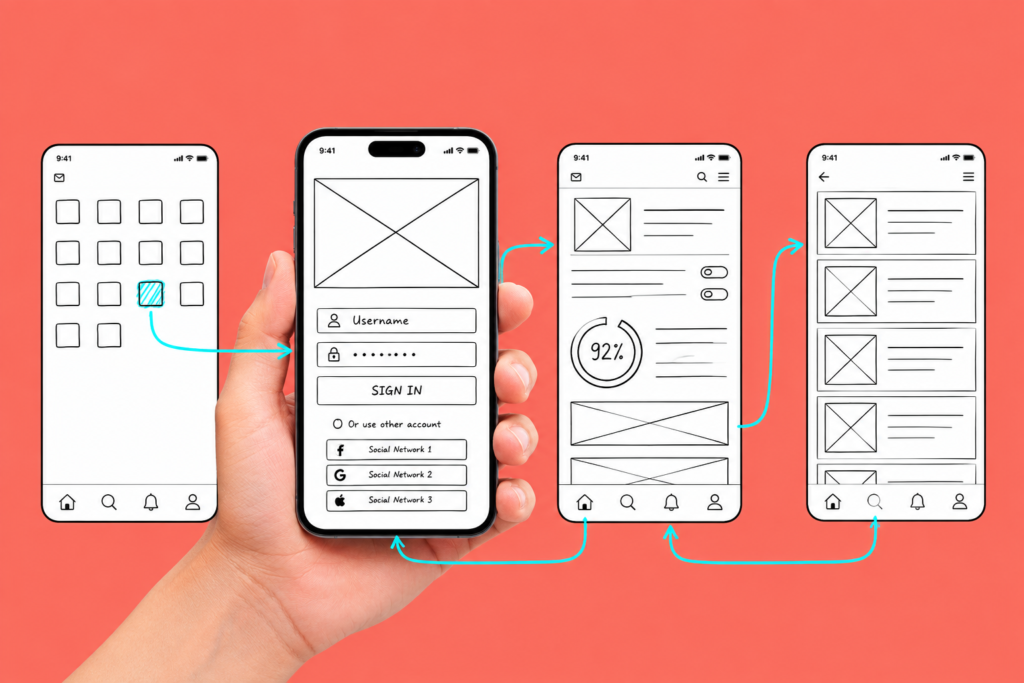
Businesses planning an iOS app need a realistic understanding of iOS App Development Cost before committing to a specific scope, since the investment required varies considerably based on feature complexity, the level of integration with device hardware and Apple’s broader ecosystem, and whether the app needs to support multiple device types like iPad and Apple Watch alongside iPhone. A straightforward utility app costs considerably less to build than one incorporating augmented reality, advanced health data integration, or sophisticated on-device machine learning features, and understanding this range early helps businesses plan a realistic roadmap rather than being caught off guard by costs partway through development.
What Makes an iOS App Actually Succeed in This Ecosystem
Not every iOS app meets the platform’s high bar for user experience simply by being technically functional. The ones that genuinely succeed tend to share a few qualities: they take full advantage of platform-specific design conventions rather than porting a generic interface built for another platform, they integrate thoughtfully with device features rather than treating hardware capabilities as an afterthought, and they respect the privacy expectations Apple’s ecosystem has trained users to expect, building trust rather than eroding it through unnecessary data collection.
Where iOS Development Is Headed Next
Expect continued expansion of spatial computing capabilities as Apple’s broader hardware ecosystem evolves, deeper AI integration built directly into the operating system, and growing emphasis on privacy-preserving personalization that delivers relevant experiences without compromising user data. Businesses building with this trajectory in mind are positioning themselves to keep pace with a platform that continues to shape user expectations well beyond its own ecosystem.
Final Thoughts
iOS apps have done more than simply provide a mobile experience for Apple device users they’ve helped define what users across every platform now expect from mobile technology generally: polish, privacy, deep device integration, and experiences that feel genuinely thoughtful rather than generic. Businesses that understand this and build accordingly are positioning themselves not just to succeed on iOS specifically, but to meet a bar for quality that increasingly shapes mobile expectations everywhere.
Source: Tricks Mode
