


DeepSeek V4.1 Flash 1017: What's New and How to Use It (2026)
On October 17, 2026, DeepSeek quietly shipped DeepSeek-V4.1-Flash-1017 — a refreshed checkpoint of its fast, low-cost AI model. It is not a brand-new model: it is the same V4.1 Flash from September, retrained and improved. DeepSeek calls it a "Pareto improvement": better benchmark scores, faster task completion, and shorter outputs, at the exact same price.
If you already use DeepSeek's app, website, or API, you are probably running the new checkpoint already — no update needed. Here is everything that changed, what the benchmarks actually mean, and how to start using it today.
What Is DeepSeek V4.1-Flash-1017?
DeepSeek-V4.1-Flash-1017 is an updated post-training checkpoint of DeepSeek V4.1 Flash, the company's speed-optimized model family. The "1017" is the build date (October 17). The API name did not change — it is still served as deepseek-flash — and neither did the price.
Under the hood, it keeps the same architecture: a 552-billion-parameter mixture-of-experts design that activates only 8 billion parameters per token on input (16 billion on output), a 1-million-token context window, and native image understanding. The weights are open and MIT-licensed on Hugging Face, so anyone can download and self-host them.
The timing matters too. The release follows recent DeepSeek service disruptions, and this update is positioned as a faster, leaner, more reliable build — shorter responses that cost less to generate.
What's New: Benchmarks and Improvements
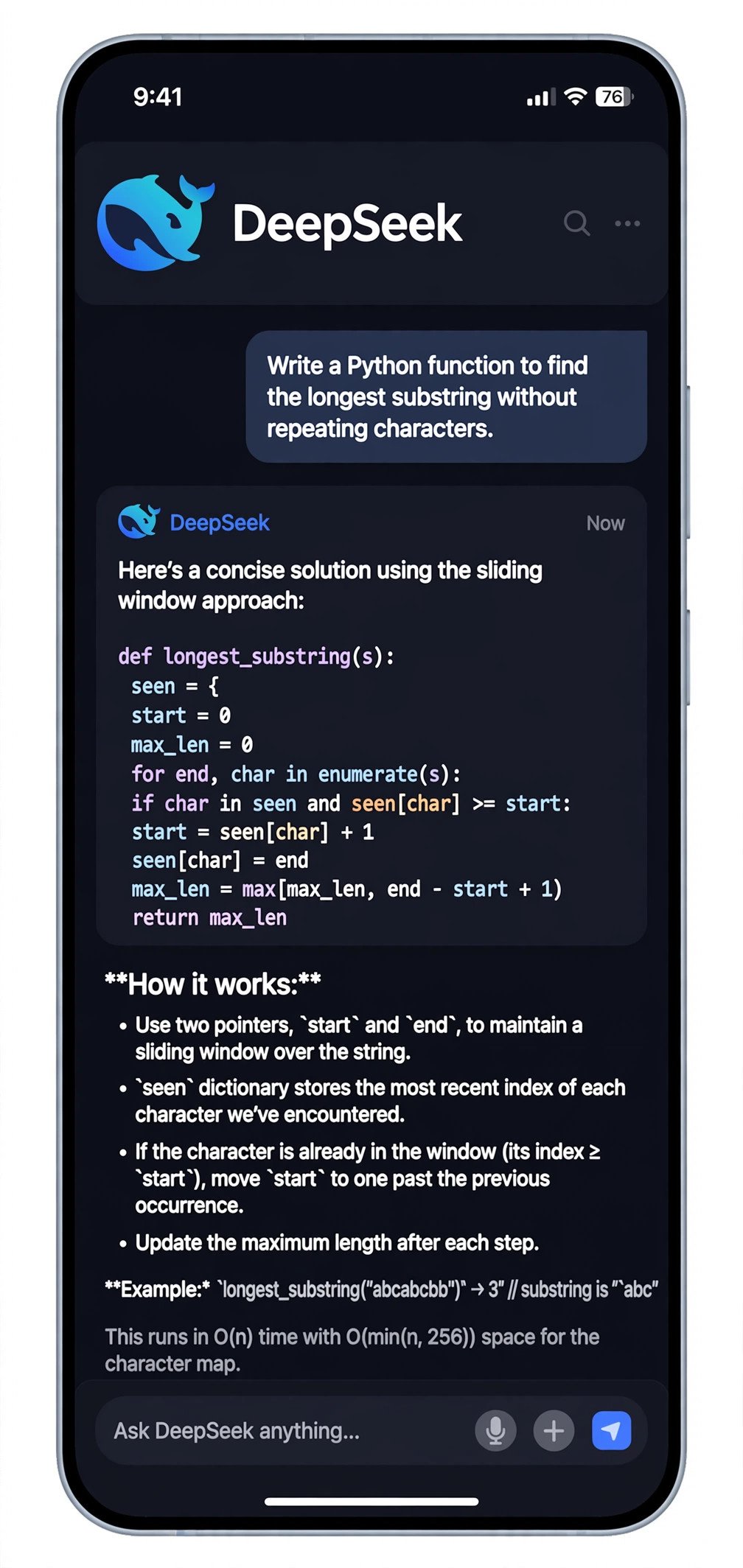
DeepSeek published eleven benchmark results for the 1017 checkpoint. The headline numbers:
- DeepSWE v1.1 (agentic coding): 77.0, up from 74.2 — ahead of the scores DeepSeek reports for competing flagship models on this test.
- Terminal-Bench 4.0 (terminal agents): 42.3, up from 31.2 — the biggest jump, and the one that matters most for coding agents.
- Humanity's Last Exam (no tools): 42.6, up from 36.8 — a hard general-knowledge test.
Just as important as the scores: the model finishes tasks faster and produces shorter outputs. For API users, shorter outputs mean fewer billed tokens per task — a real cost saving on top of the already low price.
One honest caveat: these are vendor-reported scores, not independently verified. Treat them as "remarkably strong for the price" rather than proof it beats everything.
Michael Leung’s analysis of the 1017 update walks through these benchmark gains in more detail, including what changed versus the September build.
How to Use DeepSeek V4.1 Flash 1017
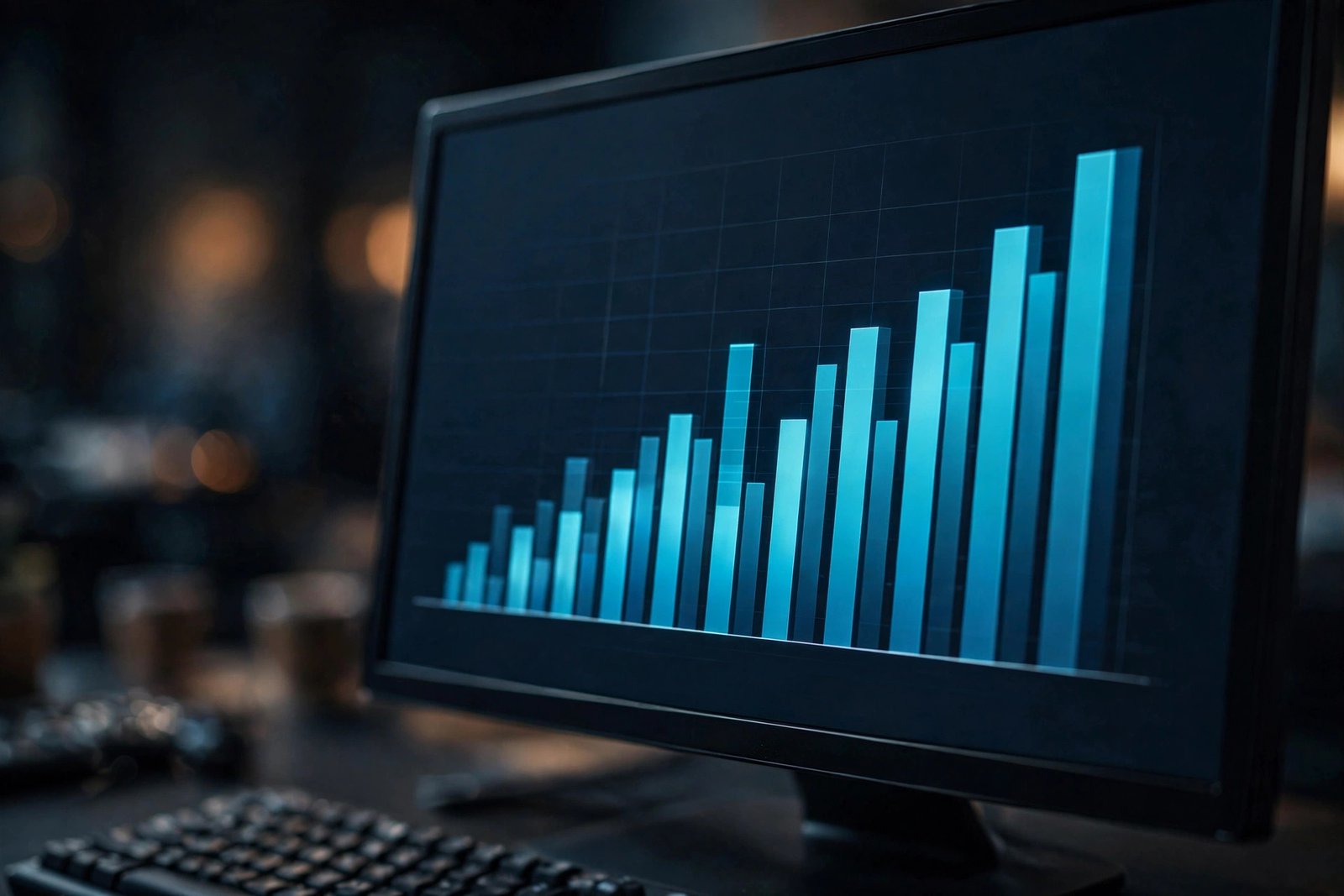
There are three ways to access the new checkpoint, depending on what you need.
1. Web and Mobile App (Easiest)
Open DeepSeek's website or mobile app and just use it — the 1017 checkpoint was rolled out server-side under the existing model, so there is nothing to download or switch. If your app has an update available in the Play Store or App Store, install it to make sure you are on the latest client.
2. API for Developers
Call the same deepseek-flash model name you already use — it now serves the 1017 build automatically, with no code changes. Pricing is unchanged: $0.15 per million input tokens and $0.60 per million output tokens (off-peak), which is a fraction of flagship-model pricing.
A minimal example:
curl https://api.deepseek.com/chat/completions \
  -H "Authorization: Bearer $DEEPSEEK_API_KEY" \
  -H "Content-Type: application/json" \
  -d '{"model": "deepseek-flash",
       "messages": [{"role": "user", "content": "Hello"}]}'
The old deepseek-v4-flash name still works and is served by the new checkpoint. The full technical details live in DeepSeek’s official release note.
3. Self-Host the Open Weights
The full weights are published as deepseek-ai/DeepSeek-V4.1-Flash-1017 on Hugging Face under the MIT license, with a 1M-token context. Be warned: it is a ~500GB download, so self-hosting needs serious hardware — this route is for teams and researchers, not casual users.

New: Search and Fetch APIs
Alongside the model, DeepSeek opened its in-house Search and Fetch web APIs to all developers. Search finds web results; Fetch retrieves page content. Each costs $0.75 per 1,000 successful calls, and calls made through DeepSeek Harness, Claude Code, or Codex are free until November 1, 2026. If you are building an agent that needs live web data, this is worth testing before the free window closes.
Who Should Use DeepSeek V4.1 Flash 1017?
This model is aimed at three groups: developers who want a cheap, fast coding agent; businesses cutting AI API costs without giving up capability; and tinkerers who want open weights they can actually download. If your workload is agentic coding, long-context document work, or high-volume chat, the price-to-performance ratio is currently hard to beat.
Businesses evaluating AI tools usually weigh API pricing against measurable returns — our tech solutions for business guide walks through how to assess new platforms on cost, integration, and ROI before rolling them out.
Where DeepSeek Fits in the Bigger AI Picture
The 1017 release is part of a wider shift: AI is moving from giant general-purpose chatbots toward faster, cheaper, specialized models — including open-weight releases you can run yourself. That architectural shift, from monolithic LLMs to efficient mixture-of-experts and multi-modal designs, is exactly what is reshaping the industry right now.
We explored that transition in depth in our world tech news analysis, which covers how multi-modal and vertical AI models are redefining productivity across sectors.
For independent takes on this release, The AI Tools’ breakdown of the open-source model covers the pricing, architecture, and self-hosting side in detail.
FAQs
Is DeepSeek V4.1-Flash-1017 a new model?
No. It is an updated checkpoint of the V4.1 Flash model launched in September 2026. Same architecture, same API name (deepseek-flash), same price — just better scores and faster, shorter outputs.
How do I get the 1017 update?
You don't need to do anything. The website, app, and API were upgraded server-side on October 17. API users calling deepseek-flash are already on it.
How much does the DeepSeek API cost?
$0.15 per million input tokens and $0.60 per million output tokens off-peak — significantly cheaper than flagship models from US labs.
Can I run DeepSeek V4.1 Flash locally?
Technically yes — the weights are MIT-licensed on Hugging Face — but the download is around 500GB, so you need serious hardware. Most users should use the app or API instead.
What are the Search and Fetch APIs?
DeepSeek's own web search and page-fetch services for developers, at $0.75 per 1,000 calls. Free through DeepSeek Harness, Claude Code, or Codex until November 1, 2026.
Conclusion
DeepSeek-V4.1-Flash-1017 is a quiet but meaningful upgrade: better coding and agent benchmarks, faster completions, shorter (cheaper) outputs — at the same price and under the same API name. For developers and businesses watching AI costs, it is one of the strongest value plays in the market right now. Try it in the app first; if you build with it, pin the deepseek-flash model name and re-run your own evaluations rather than trusting any vendor's benchmark sheet — including this one.
