

Apps and Socials AlienSync is a modern approach to connecting your favorite apps and social platforms in one smoother digital workflow. Instead of switching between separate tools, you can use app synchronization and social media integration to keep information, content, and actions connected across platforms. This concept can support cross-platform integration, helping creators, businesses, and teams manage digital tasks with less manual work.
It may also connect digital workflows with automation features that reduce repetitive steps. From sharing content to organizing data, connected applications can make everyday tasks more efficient. The Latest in Tech AlienSync may offer useful ways to manage these connected workflows, but its exact product status and official feature set remain unclear in some public sources, so users should verify available tools and permissions before connecting their accounts.
What Is App and Socials AlienSync?
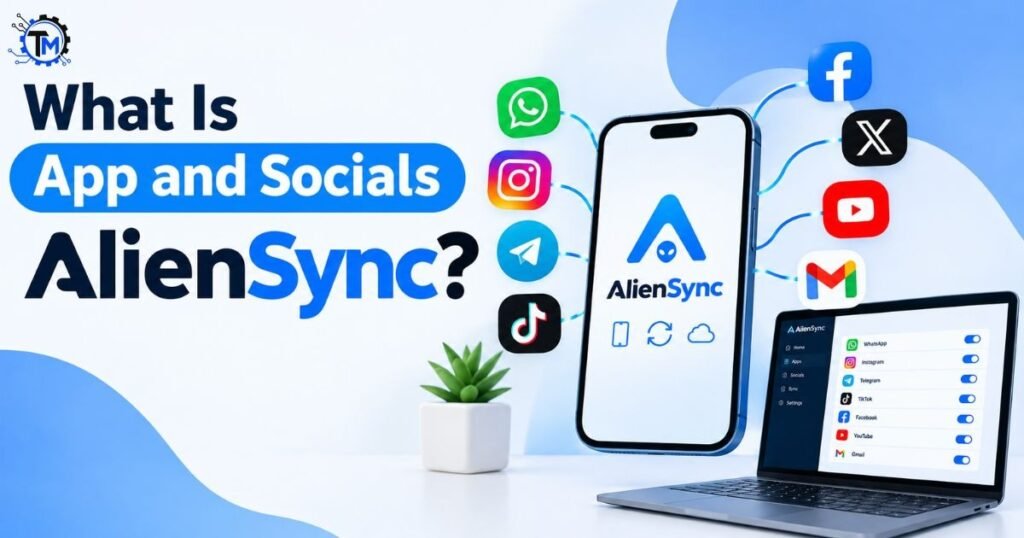
At its core, AlienSync describes a connected approach to managing applications, digital platforms, and social channels through synchronization and integration. Public sources describe it somewhat differently, with some presenting AlienSync as a technology concept or content hub rather than a clearly verified standalone SaaS product.
The broader idea is straightforward. Instead of keeping every tool isolated, app integration allows information to travel between connected applications. That can support digital workflows, content coordination, reporting, and digital productivity while reducing repetitive copying between separate systems.
What Does App and Socials AlienSync Mean?
The term generally points toward connecting software, social networks, and business tools so they can exchange selected information. Think of it like a digital railway: each application remains its own station, while platform integration creates tracks between them. The exact AlienSync product status should still be verified before purchase.
How Does App and Socials AlienSync Work?
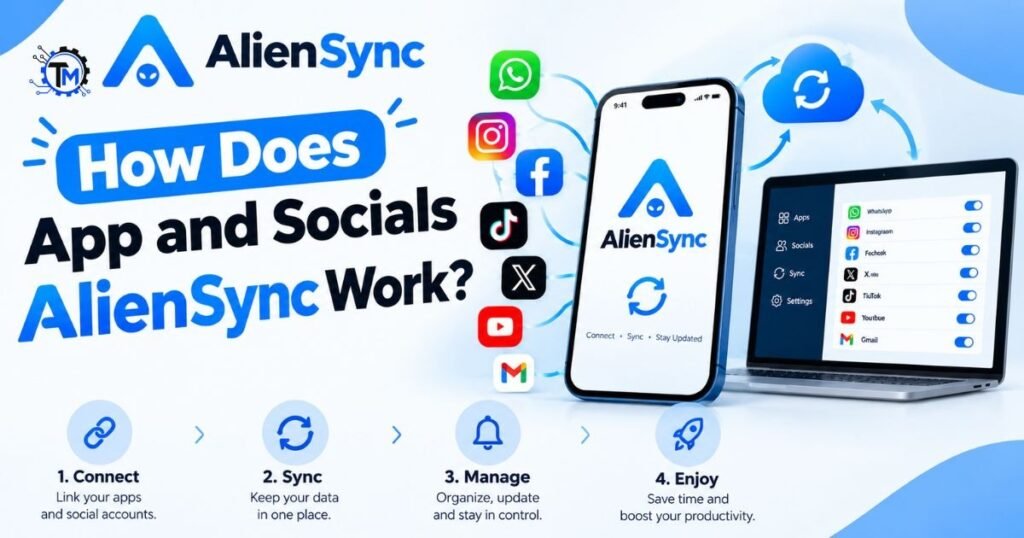
Behind every useful digital synchronization system sits a set of connections, permissions, triggers, and rules. An application sends or receives approved information through APIs, while data synchronization determines what information moves, when it moves, and where it goes.
A typical workflow begins when you connect accounts and grant selected permissions. Next, workflow triggers detect an event, such as a new customer record or published post. Then automation rules decide what happens next. This creates automated workflows without requiring someone to repeat every action manually.
How App Synchronization Works
Imagine a marketing team publishing a campaign asset. A connected workflow could send approved information toward a scheduling system, update reporting software, and notify teammates. That process depends on available APIs and permissions. Platform limits can still affect timing, supported fields, and the amount of information transferred.
Key Features of App and Socials AlienSync
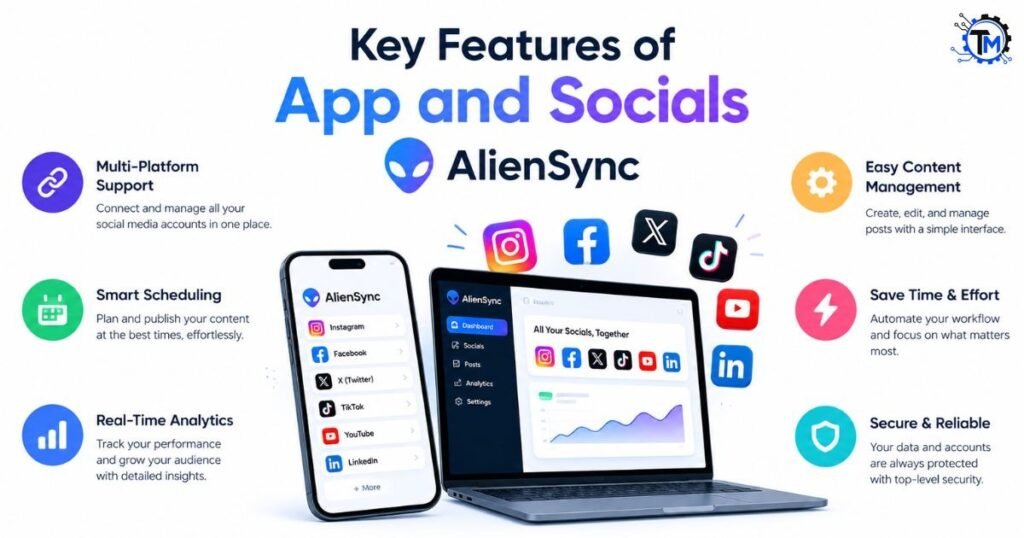
The main appeal comes from bringing different digital activities into connected workflows. Social media synchronization can coordinate information across social channels, while workflow automation can connect marketing, customer, and productivity processes. However, specific features should not be treated as confirmed AlienSync capabilities unless official documentation verifies them.
Common integration patterns include cross-platform integration, centralized activity views, account connections, content workflows, analytics collection, and notification triggers. Public AlienSync-related material also discusses integrations with services such as Instagram, TikTok, X, LinkedIn, Slack, Gmail, Trello, and Google Workspace.
What Features Matter Most?
Feature value depends on the workflow rather than the feature count. A creator may care about publishing and scheduling, while a business may need CRM updates and reporting. A developer may prioritize APIs and permissions. Strong software integration should solve a real bottleneck instead of adding another complicated layer.
| Capability | Practical purpose |
| App connectivity | Links separate tools |
| Social media automation | Reduces repetitive publishing work |
| Data synchronization | Keeps selected information aligned |
| Workflow management | Controls multi-step processes |
| Third-party integrations | Expands available connections |
How to Set Up and Use App and Socials AlienSync
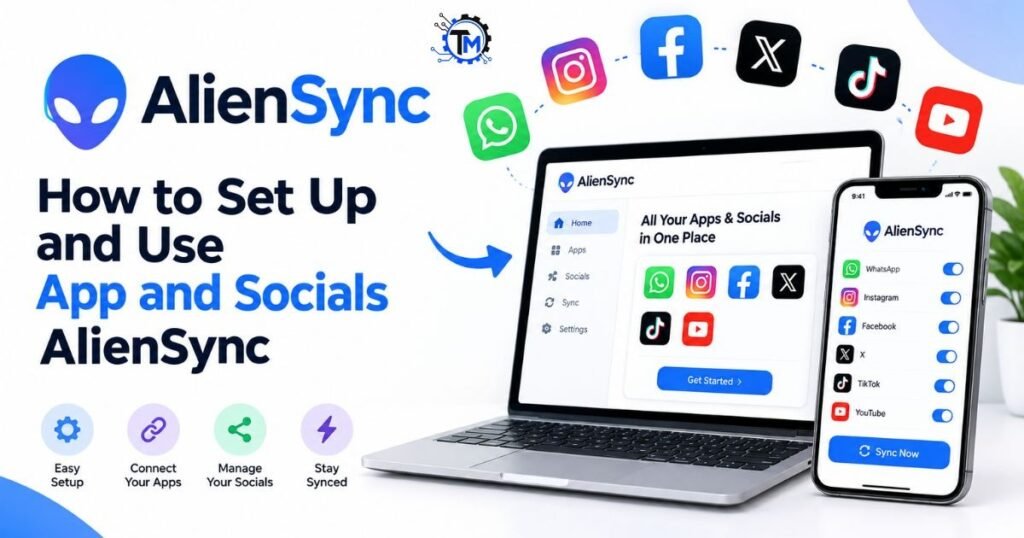
A reliable setup starts with a clear workflow, not a collection of random connections. First identify the applications involved, the information that needs to move, and the desired outcome. Then review connected accounts, permissions, API requirements, and platform policies before enabling any automation.
After connection, build one small workflow and test it before expanding. Check whether fields map correctly and whether duplicate actions occur. This is one reason Why Tech Is Important Gsctechnologik when managing connected tools and digital workflows. Review security settings regularly. When an integration becomes unnecessary, disconnect it rather than leaving unused access available indefinitely.
How to Configure Social Media Integrations
For social media management, begin with one channel and one repeatable task. For example, approved content could move from a content system toward a scheduling workflow. Test captions, media formats, timing, and account permissions before adding Instagram, TikTok, Facebook, LinkedIn, YouTube, or Pinterest.
Benefits of App and Socials AlienSync
The biggest benefit of connected systems is reduced friction. Software automation can handle repetitive transfers while business automation helps teams move information between marketing, customer, and operational tools. That gives people more time for decisions that require judgment, creativity, and direct customer interaction.
Consistency matters too. When teams manually copy information between several platforms, small errors can multiply. Better digital organization can reduce those gaps and create clearer content management processes. The result isn’t magic; it is simply fewer unnecessary handoffs inside a complicated digital ecosystem.
How Synchronization Improves Digital Productivity
Consider a small U.S. retailer managing campaigns across several channels. Without integration, staff may update calendars, social accounts, analytics records, and customer systems separately. With suitable productivity tools, selected actions can trigger automatically. The team still reviews important work, but fewer routine steps consume the day.
Who Can Benefit From App and Socials AlienSync?
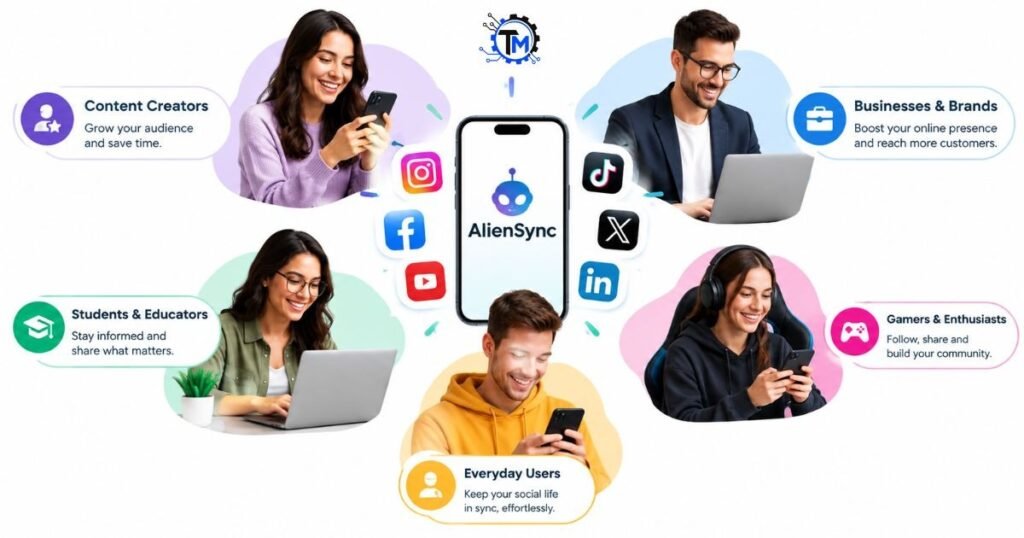
Different users need different forms of multi-platform management. Content creators may want smoother publishing, while social media managers often need campaign coordination across several social media accounts. Agencies can also benefit when they manage numerous clients, approval processes, and reporting workflows.
For businesses, integration becomes more useful as the number of tools grows. Marketing teams can connect campaigns with analytics, while customer-facing groups can connect CRM systems with communication tools. Developers may focus more on APIs, authentication, and custom application integration.
Who Should Consider Connected Workflows?
A connected workflow makes sense when the same task happens repeatedly and follows clear rules. It may offer less value when only two simple tools are involved. The right question isn’t how many integrations you can create. Ask whether a connection removes meaningful work without creating unnecessary complexity.
Privacy, Security, and Account Risks
Every connection creates an access relationship. That makes data privacy central to responsible integration. Before authorizing a service, check what data it can access, why it needs that access, how long authorization remains active, and whether you can revoke it easily.
Security also depends on the surrounding digital systems. Strong passwords, multifactor authentication, careful permission scopes, regular token reviews, and limited administrator access all matter. A synchronization layer can make work easier, but it can also increase the impact of a compromised connected account.
What Permissions Should You Review?
Review permissions before connecting social media accounts or business software. Pay particular attention to access involving messages, customer records, publishing rights, files, and account administration. If a connection requests broader data access than the workflow requires, pause and investigate before granting authorization.
App and Socials AlienSync: Pricing, Legitimacy, and Limitations
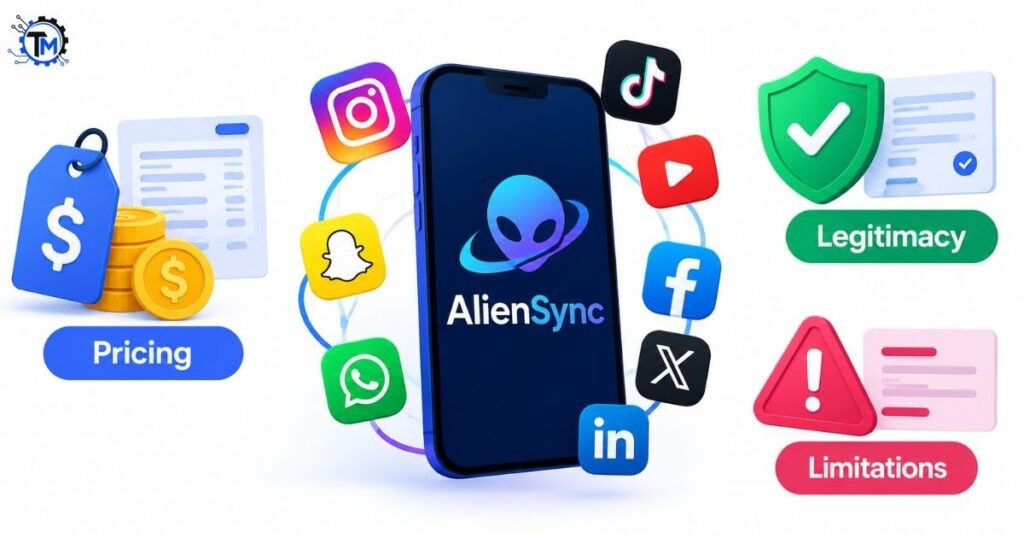
Pricing requires particular caution because public sources do not currently provide a consistently verified standard AlienSync pricing structure. Some websites describe subscription tiers or product-style features, while other sources characterize AlienSync primarily as a technology concept or content platform focused on Modern Tech Solutions for Business.
That distinction matters before money or sensitive accounts enter the picture. A legitimate software service should offer independently checkable information about its operator, documentation, privacy practices, support channels, and billing process. Generic claims about plans should not substitute for verified pricing or official product documentation.
Is App and Socials AlienSync Legit?
The available public information is mixed. Several pages describe AlienSync as an integration framework or technology ecosystem, while others make stronger product claims. Because those descriptions conflict, users should verify the exact service, ownership, documentation, and permissions before treating it as an established commercial application.
App and Socials AlienSync vs. Alternative Integration Tools
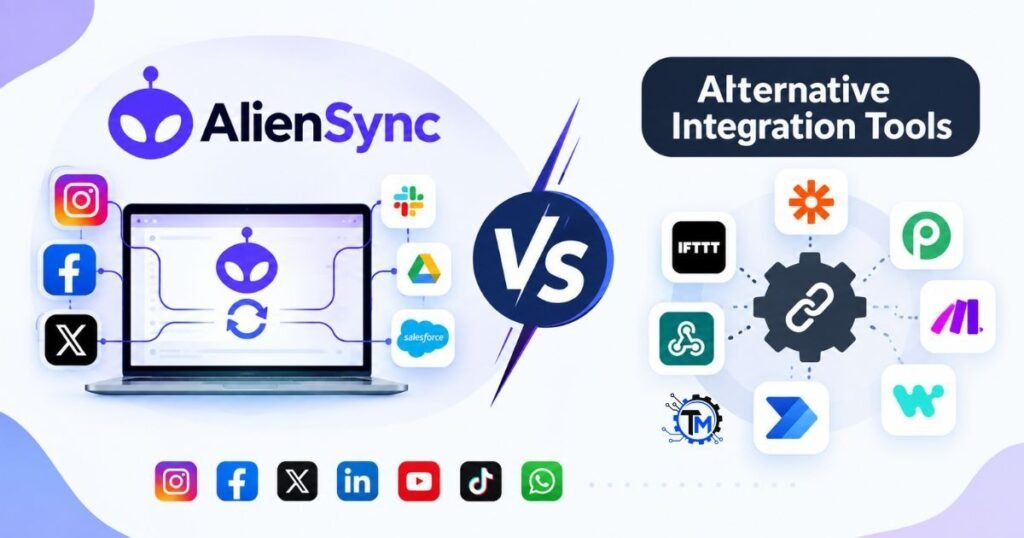
The alternative landscape contains several established categories. Social management services focus heavily on publishing, scheduling, engagement, and analytics. Workflow platforms focus on connecting different applications. Direct APIs provide developers with deeper control but require more technical work. These approaches solve overlapping problems from different angles.
The useful comparison is therefore based on workflow requirements rather than a universal winner. Consider integrations, technical skill, security controls, reporting, account limits, support, and total cost. Application integration should make operations clearer, not simply add another dashboard to an already crowded technology ecosystem.
How to Choose an Integration Solution
A small creator may prioritize simplicity and social publishing. A growing agency may need approvals, multiple users, reporting, and extensive app connections. A technical team may prioritize APIs and granular permissions. The right solution depends on workload, scale, required integrations, and the amount of control the team needs.
| Requirement | Useful solution category |
| Social scheduling | Social media management software |
| App-to-app automation | Workflow automation platforms |
| Custom technical workflows | API-based integration |
| Multi-client publishing | Multi-account social management |
| Complex business processes | Integrated workflow systems |
FAQs
What apps is Gen Z using?
Gen Z commonly uses TikTok, Instagram, Snapchat, YouTube, Discord, and BeReal for entertainment and social interaction.
Which is the best app for social media?
The best social media app depends on your goals. Instagram, TikTok, YouTube, and Facebook each serve different audiences and content types.
What apps come under social media?
Popular social media apps include Instagram, Facebook, TikTok, Snapchat, X, LinkedIn, YouTube, Pinterest, and Reddit.
What are the 7 types of social media?
The seven common types are social networks, photo sharing, video sharing, messaging, blogging, discussion forums, and social bookmarking.
What do Gen Z use instead of Instagram?
Many Gen Z users also turn to TikTok, Snapchat, YouTube, and BeReal for short-form content, messaging, and social interaction.
Source: Tricks Mode
