

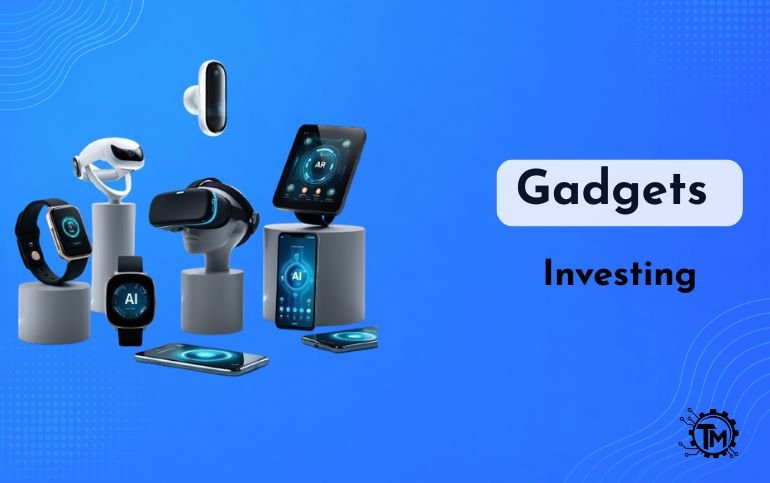
In an era dominated by rapid technology cycles, artificial intelligence acceleration, and remote digital operations, hardware procurement has shifted from a casual consumer activity into a core financial decision. Every electronic device you acquire represents either a depreciating consumer expense or a high-utility productivity asset. Strategic Gadgets investing is the deliberate practice of allocating capital into robust technology hardware that delivers measurable returns on investment (ROI), accelerates operational velocity, lowers recurring infrastructure costs, and preserves maximum residual market value.
This comprehensive operational guide breaks down how to construct a resilient technology portfolio, manage hardware depreciation risk, and optimize your physical tech stack for long-term productivity and financial performance, following key Beaconsoft Tips for Tech professionals and business leaders alike.
1. The Core Fundamentals of Technology Hardware Investing
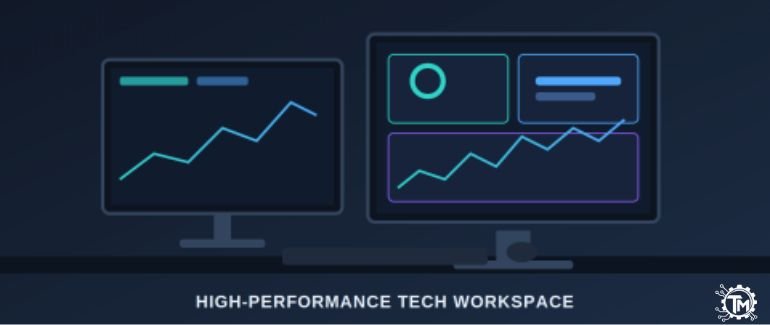
To succeed in Gadgets Investing, individual professionals and enterprise decision-makers must stop viewing hardware as an operational sinkhole. Instead, hardware should be evaluated through an asset-management framework built on three primary investment pillars:
- Productivity Amplification (Direct ROI): Hardware that directly reduces task processing latency, speeds up local data rendering, or automates repetitive operational steps.
- Residual Asset Liquidity: Selecting devices from tier-one manufacturers with established secondary market ecosystems, ensuring predictable capital recovery during hardware refresh cycles.
- Operational Durability & Repairability: Prioritizing enterprise-grade build quality, modular components, and accessible spare parts over fragile, disposable consumer gadgets.
By running prospective purchases through a strict utility-to-cost matrix, you ensure every dollar spent on hardware actively expands your operational bandwidth or protects your capital.
2. High-Yield Technology Categories for Asset Growth
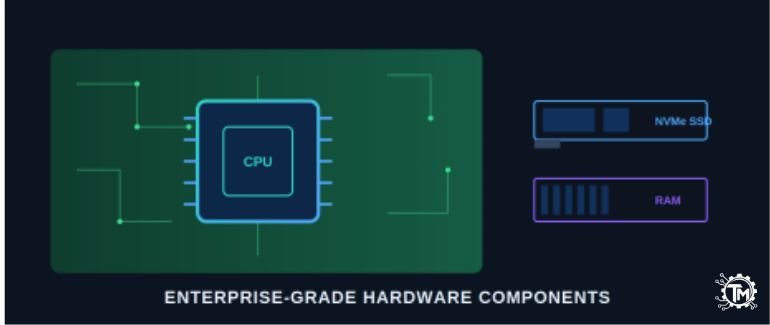
Basic consumer guides typically focus on superficial gadgets like wireless earbuds or consumer smartwatches. True hardware investment strategies focus on high-yield, utility-focused technology categories:
A. High-Throughput Processing Units & Workstations
Computational capacity is the primary engine of modern digital productivity:
- Unified Memory Architectures: Systems featuring high-speed unified memory architectures (such as high-tier workstation chipsets) drastically reduce machine learning training times, local model execution latency, and 4K/8K video compilation rates.
- Modular Expansion Support: Investing in motherboards and chassis that support PCIe expansion, removable NVMe storage drives, and accessible RAM slots extends the productive lifespan of your core system up to 5 to 7 years.
B. Ergonomic Workstation Infrastructure & Peripherals
High-performance input and display peripherals deliver immediate, compounding returns on daily human output:
- Color-Accurate Ultrawide Displays: Replacing dual-monitor setups with high-density, single-panel Ultrawide displays reduces visual clutter, minimizes neck strain, and expands active window real estate, boosting daily task efficiency by up to 20%.
- Hardware Security Modules (HSMs): For crypto-investors, software engineers, and digital asset managers, dedicated hardware wallets (e.g., Ledger, Trezor) and physical FIDO2 authentication keys provide non-negotiable protection against catastrophic cyber intrusions.
C. Local Edge Storage & Smart Automation Hubs
Smart automation systems generate indirect monetary returns by controlling recurring overhead:
- Network-Attached Storage (NAS) Servers: Deploying localized multi-bay NAS systems allows power users to cancel expensive third-party monthly cloud storage subscriptions while retaining full data control and lightning-fast local network transfers.
- Smart Energy & Power Management: Commercial-grade Uninterruptible Power Supplies (UPS), intelligent surge managers, and smart power monitoring setups protect sensitive silicon components from power degradation while cutting phantom energy draw.
3. Depreciation Mitigation & Secondary Market Dynamics
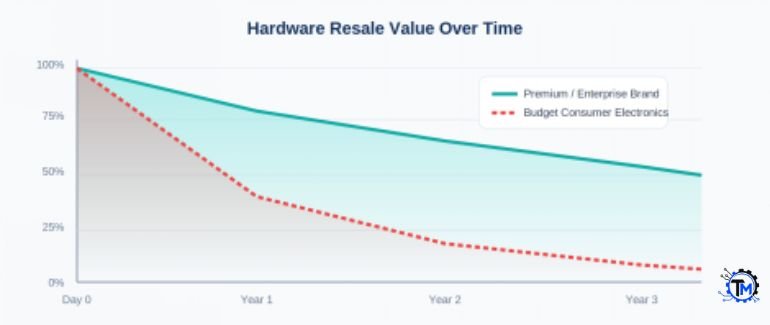
The single greatest financial threat in Gadgets Investing is rapid asset depreciation. Standard consumer electronics can lose 25% to 45% of their monetary value within the first twelve months. Managing this value degradation requires deliberate procurement and preservation strategies.
A. Brand Equity & Secondary Market Liquidity
Hardware liquidity varies dramatically based on brand recognition and system architecture:
- Ecosystem Resale Stability: Flagship devices within major technological ecosystems (such as enterprise laptops, high-end audio interfaces, and industrial-grade networking hardware) follow a slow, linear depreciation curve compared to generic off-brand electronics.
- The Certified Refurbished Advantage: Buying certified pre-owned enterprise hardware allows investors to bypass the initial steep first-year price drop while securing factory-backed warranties and fully tested components.
B. Preventive Maintenance & Hardware Care Protocols
Preserving physical condition directly dictates how much capital you recover on resale:
- Battery Lifecycle Optimization: Utilize charge-limiting software programs to cap internal lithium-ion batteries at 80% capacity during desk use, preventing battery swelling and chemical degradation.
- Thermal Management & Dust Clearance: Regularly clearing dust filters and replacing thermal compound prevents processor throttling, keeping clock speeds optimal and internal board components cool.
4. Advanced Portfolio Benchmark Matrix
To make informed procurement decisions, evaluate candidate hardware assets using established technical and financial performance metrics:
| Hardware Asset Category | Key Operational Benchmark | Depreciation Risk | 3-Year Capital Recovery Target | Strategic Business Impact |
| Enterprise Workstations | Code Compile / Render Time | Moderate | 45% – 55% | Accelerates engineering speed and multi-thread tasks. |
| Hardware Security Modules | Offline Key & Credential Encryption | Low | 35% – 45% | Prevents catastrophic identity and asset theft. |
| Smart NAS Storage Hubs | Read/Write Throughput & Storage | Very Low | 50% – 60% | Eliminates recurring monthly SaaS cloud storage expenses. |
| Ergonomic Display Panels | Screen Real Estate & Color Accuracy | Very Low | 60% – 70% | Reduces physical strain and expands daily task capacity. |
5. Critical Hardware Investment Errors to Avoid
Avoid these frequent strategic mistakes when expanding your tech equipment portfolio:
- Chasing Bleeding-Edge First-Generation Products: Purchasing early-revision hardware exposes your capital to unvetted firmware bugs, sub-optimal thermal designs, and steep early-adopter price markups.
- Ignoring Proprietary Ecosystem Lock-in: Buying locked devices without open API support or standard connection protocols limits long-term cross-platform integration options.
- Skipping Enterprise Warranty Protection: Operating expensive computational equipment without extended replacement plans leaves your capital unprotected against sudden electrical or hardware failures.
Conclusion
Mastering Gadgets Investing turns routine hardware shopping into an intentional strategy for financial protection and productivity growth. By evaluating tech purchases through clear ROI standards, focusing on repairable modular hardware, minimizing depreciation, and preserving secondary resale value, you turn electronic devices into active operational assets. Technology should never simply drain your bank account—it should streamline your workflow, shield your security, and yield long-term tangible value.
Frequently Asked Questions (FAQs)
Q1: What turns a standard tech device into a candidate for Gadgets investing?
A device qualifies as an investment if it directly improves daily work output, reduces recurring subscription costs, or maintains strong secondary market resale value.
Q2: How can I minimize depreciation loss when purchasing new hardware?
Acquire certified refurbished models to skip the initial value drop, use protective gear, manage battery health cycles, and sell before next-gen models launch.
Q3: Do smart automation systems deliver genuine financial ROI?
Yes, smart climate controllers, power monitoring plugs, and local storage setups generate direct savings by cutting monthly utility bills and cloud fees.
Q4: Which technology hardware retains its secondary resale value best?
Enterprise-grade laptops, high-resolution monitors, network storage units, and flagship devices within major ecosystems consistently retain the highest residual value over time.
Q5: Why is enterprise hardware better for long-term ROI than consumer tech?
Enterprise hardware features modular designs, longer warranty windows, higher-grade components, and stronger security features, yielding a significantly lower total cost of ownership.
Source: Tricks Mode
